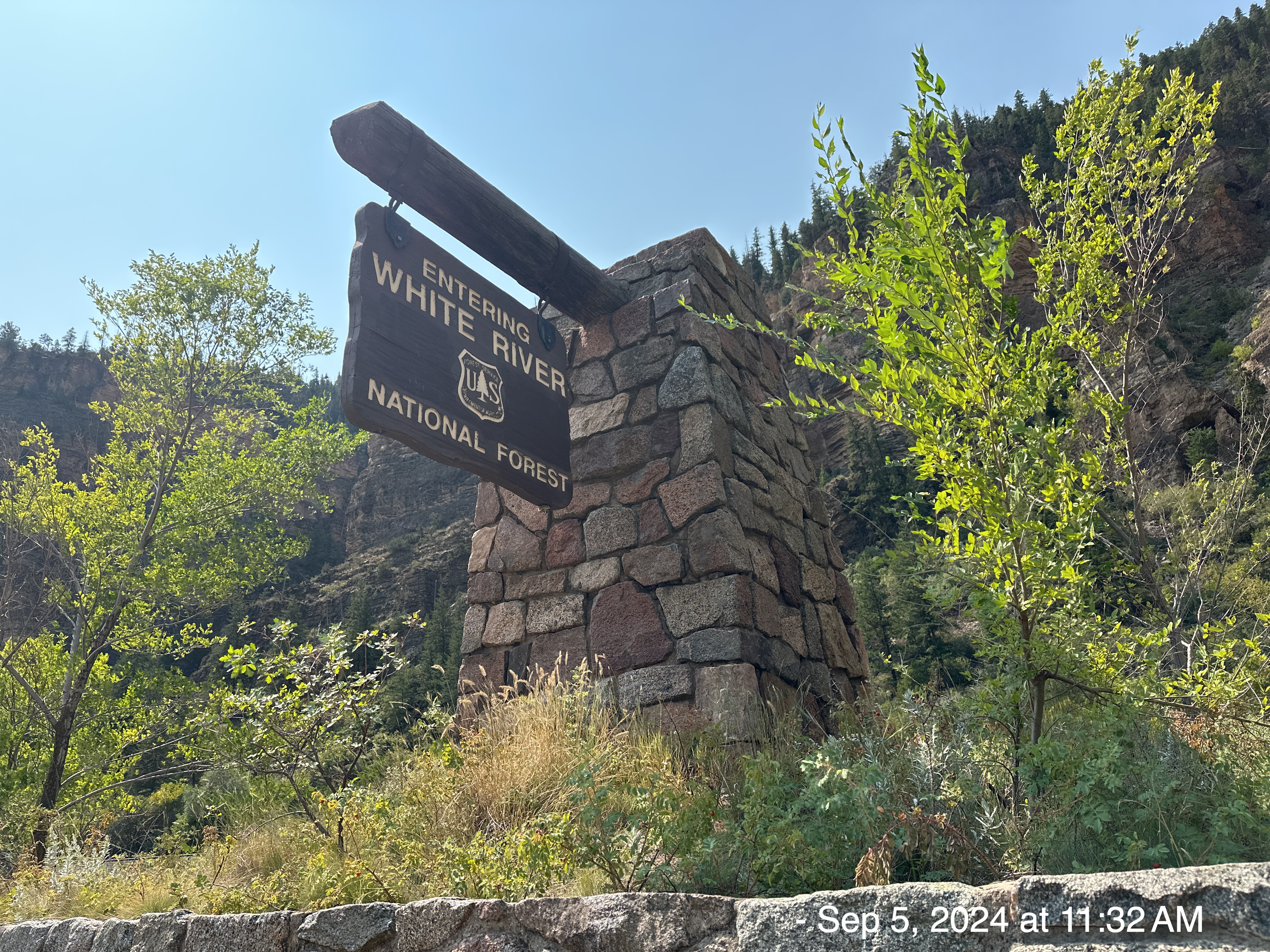
Milestones
- 6th U.S. state camped. SHOW ON MAP
- Part of my 3rd Annual “Bike-A-Palooza” (SEE the Whole Trip)
Camping in the Rain
The previous night, I had camped in Nevada with a temperature of 103 degrees F. I was kicking myself for starting my cross-country adventure before the end of summer. All I had to do was leave a few weeks later and avoid the extra heat.
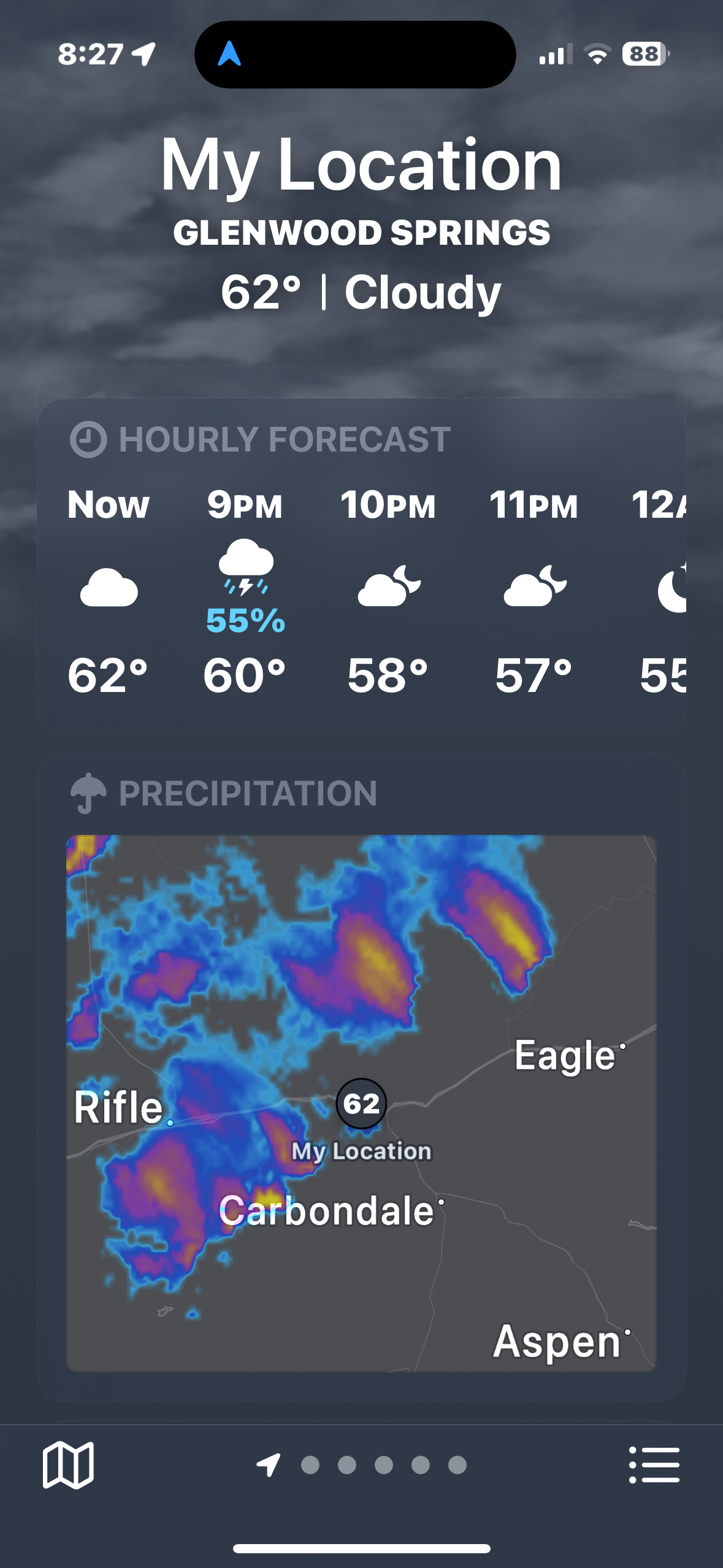
Then, I arrived in Colorado. I setup camp, made dinner, and settled into my tent for the evening. At 8:25PM, I saw lightning, heard thunder claps, and felt the wind blow my tent walls. I checked the weather and saw the following radar map, showing an incoming storm. I decided to “half-ass” securing my rain-fly over the top of my tent and threw a tarp over my wheelchair. These two things would be enough in a light rain situation. I didn’t worry about it too much. I even thought the storm might bypass me entirely. Why did I think that?
By 9pm, the wind was howling and the rain was pouring. The wind blew my rain-fly off the top of my tent and the rain started getting my stuff wet inside the tent. I wasn’t fully clothed, but I hustled outside and pulled the rain-fly back over the tent. I then used my water-can to anchor the rain-fly. This time I used “3/4 of my ass” to secure things. Within 30 minutes, the wind blew the rain-fly off again.
Now I was mad at myself. I got out of the tent and hooked each and every tie-down on my rain-fly. I put the tarp back on my wheelchair. I was soaked from head to toe, cold, and frustrated at myself. But, I did actually use my “whole-ass” this time.
The temperature dropped to 48 degrees F before dawn the next morning. That’s more than a 50 degree swing in temperature in the course of 2 nights camping (as well as going from dry to rain).
Biking along the Colorado River
The previous night’s camping wasn’t ideal. My “slow-to-respond” efforts were to blame for that. So, I was determined to make up for that, by riding along the bike trail that follows beside the Colorado River. I picked a convenient rest stop along I-70 that has full access to the bike trail. I parked and began unloading my bike. Just as I got started, a Colorado Department of Transportation (CDOT) worker, named John, came over and asked me if I needed any help. I always appreciate help loading/unloading my bike from the back of my van. It’s not too heavy, but it’s terribly awkward. In just a couple of minutes, I was on my way.
HEADS UP: The end of this post has a special conclusion to my ride and you get to watch 3 “bonus” videos.
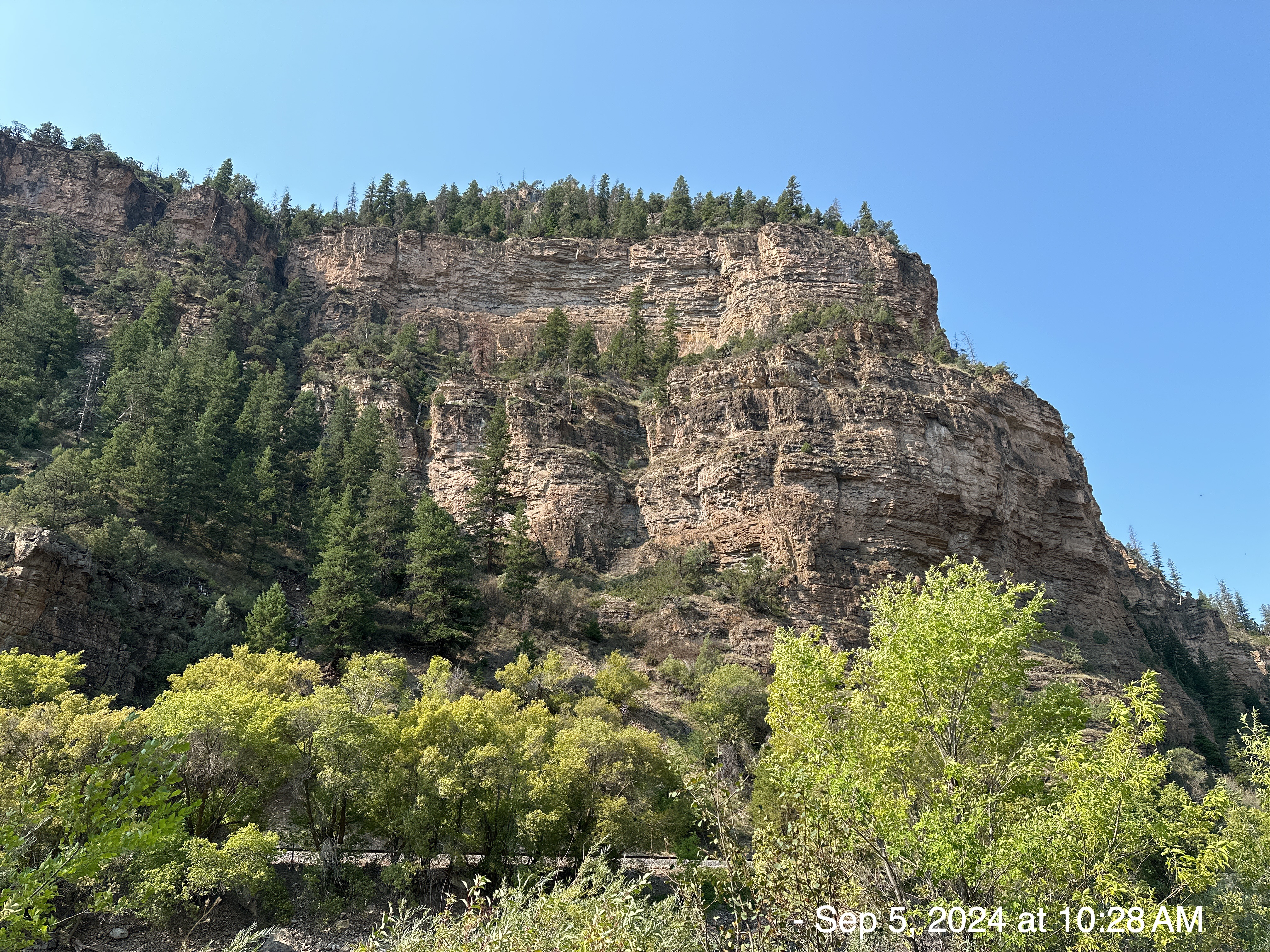
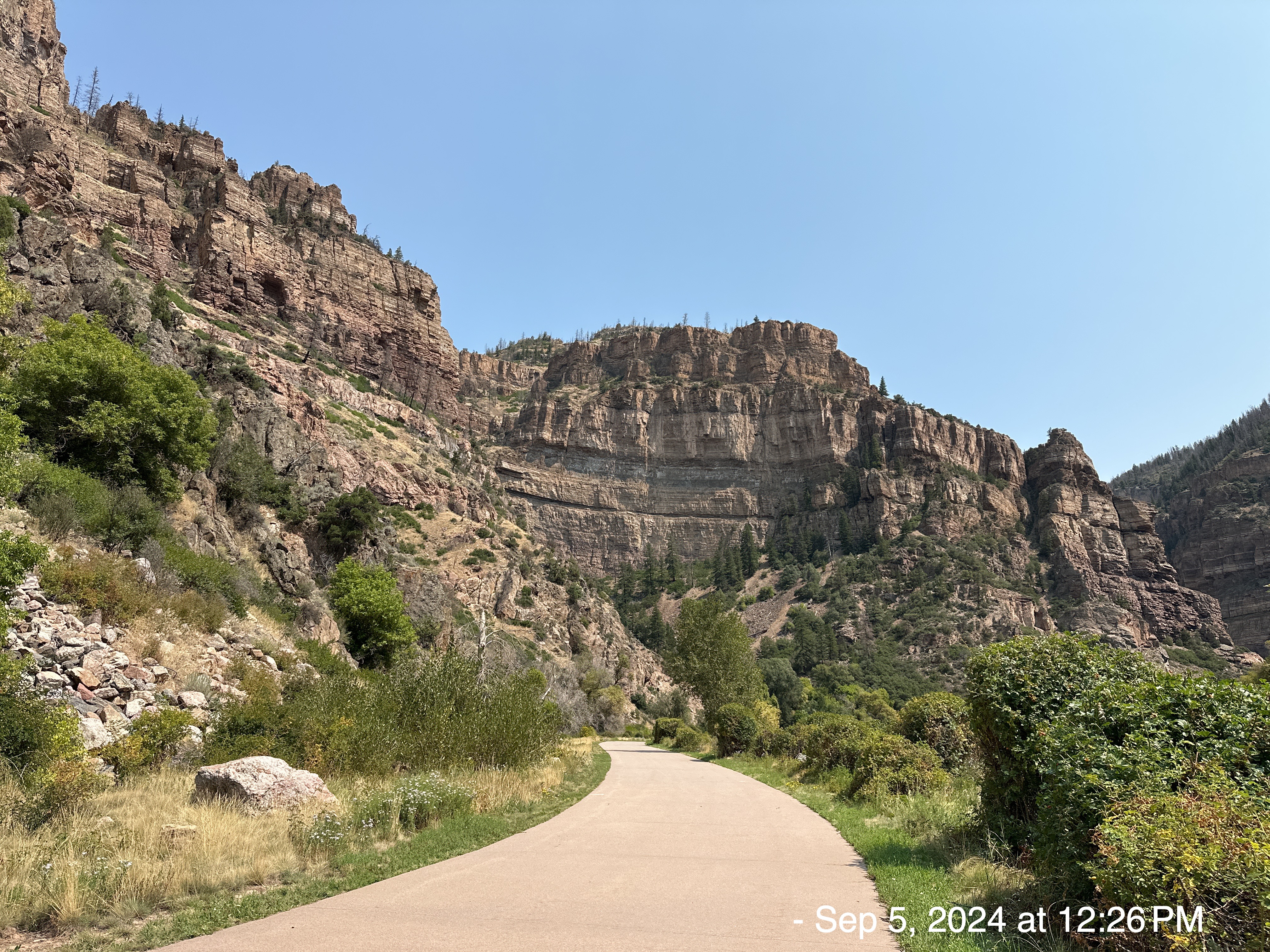
The bike path was concrete and very wide. I passed at least 50 cyclists throughout my ride. The trail parallels I-70 . You can see the railing of the freeway in several of the pictures I took.
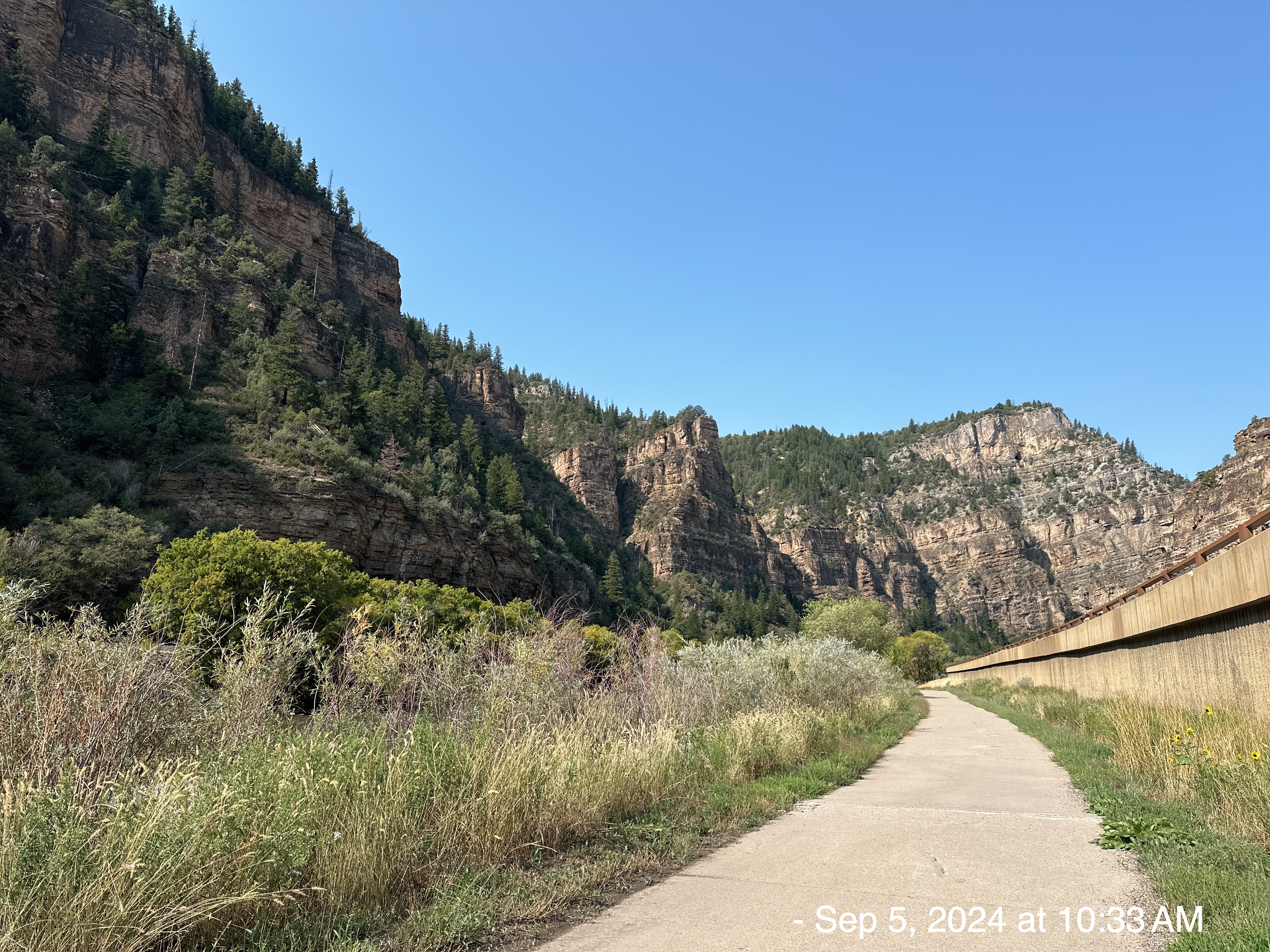
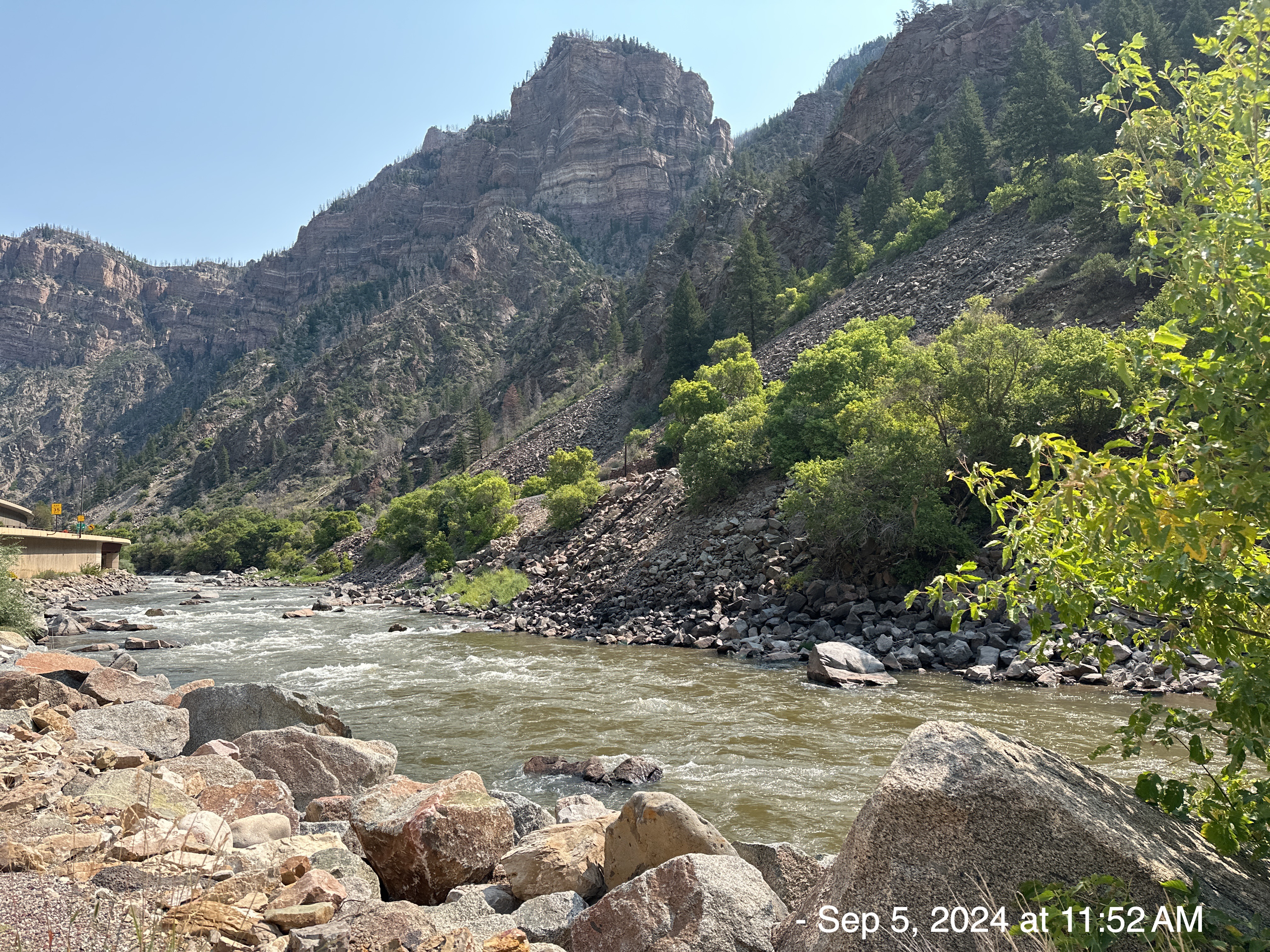
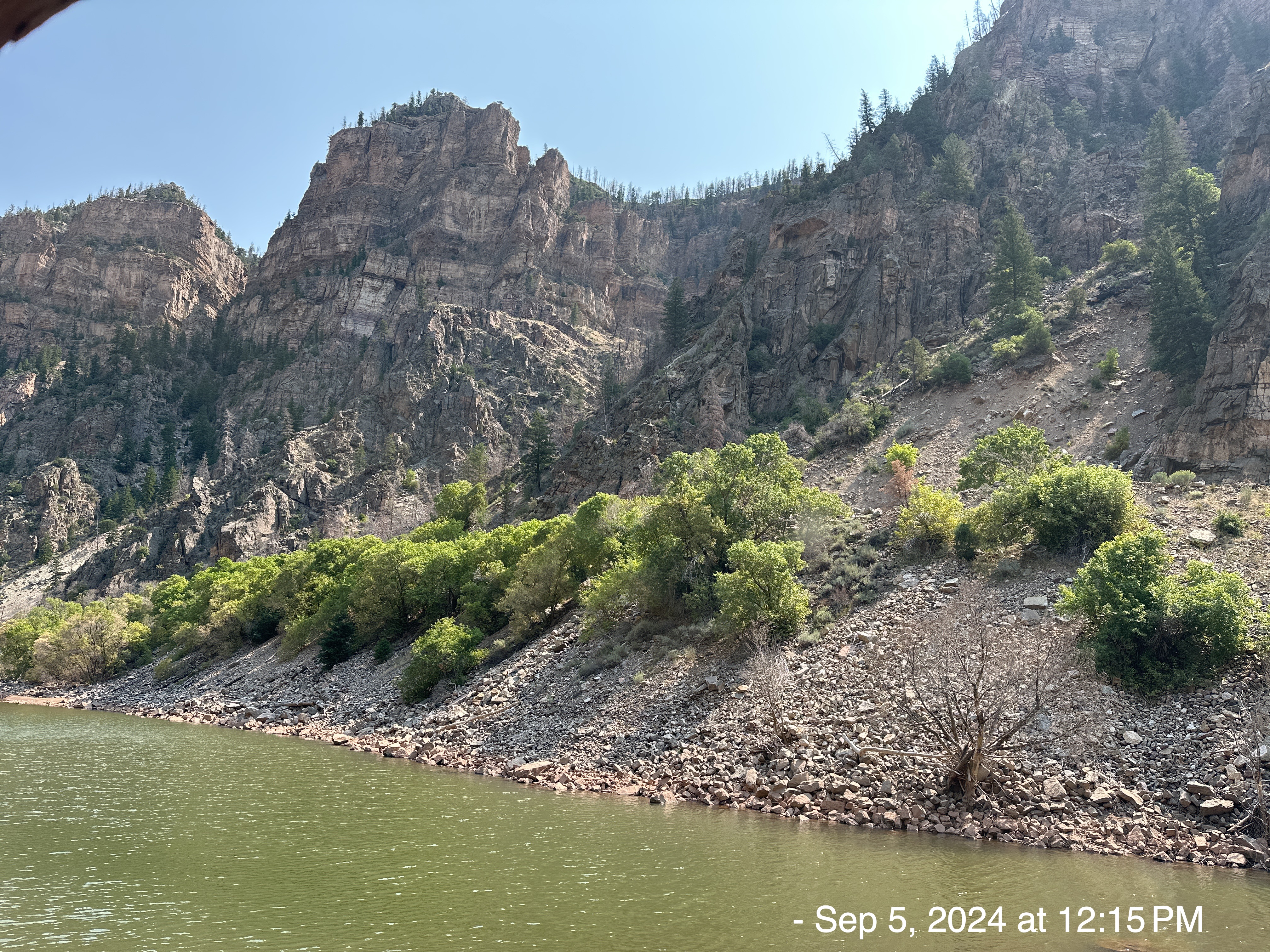
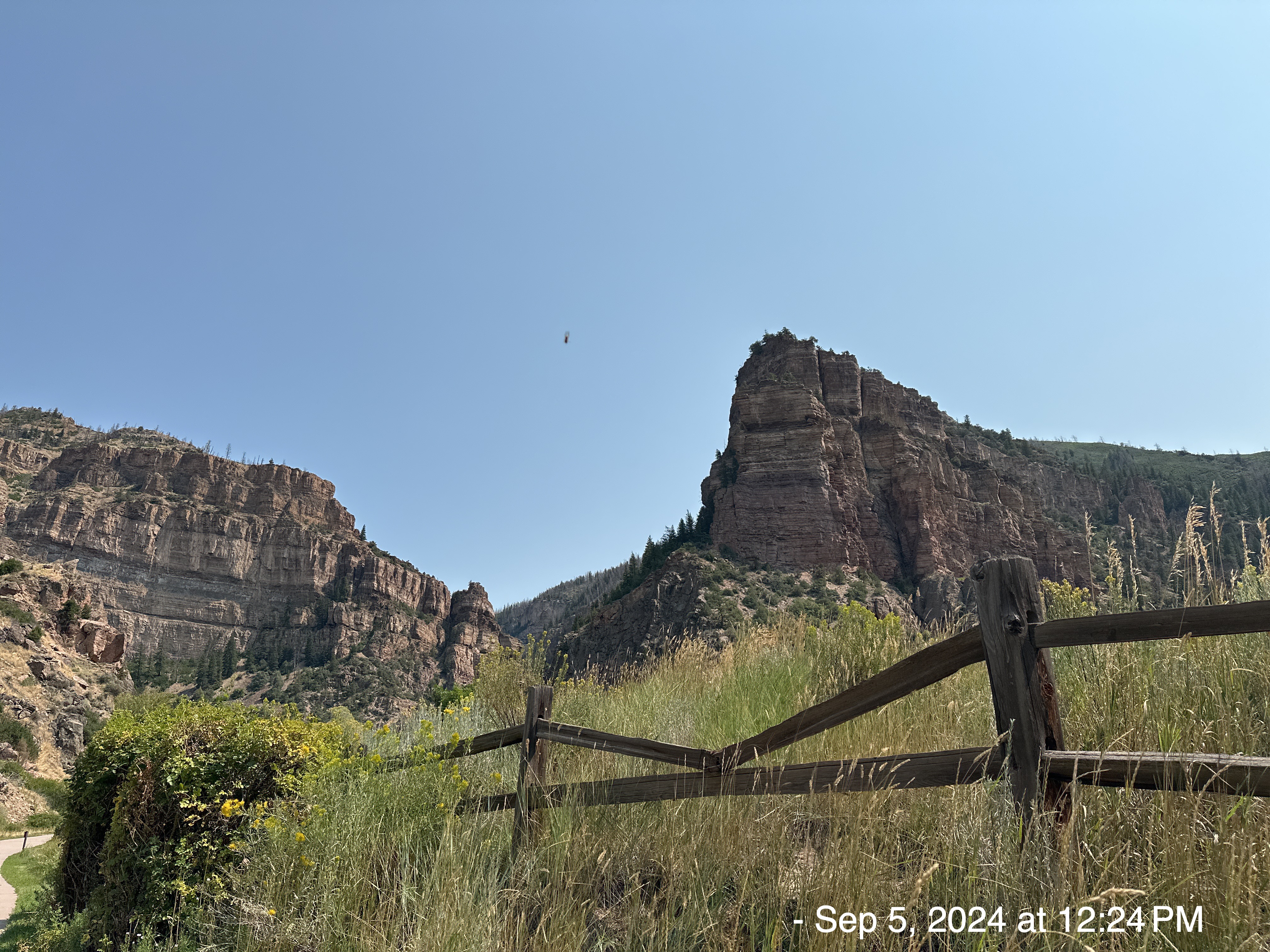
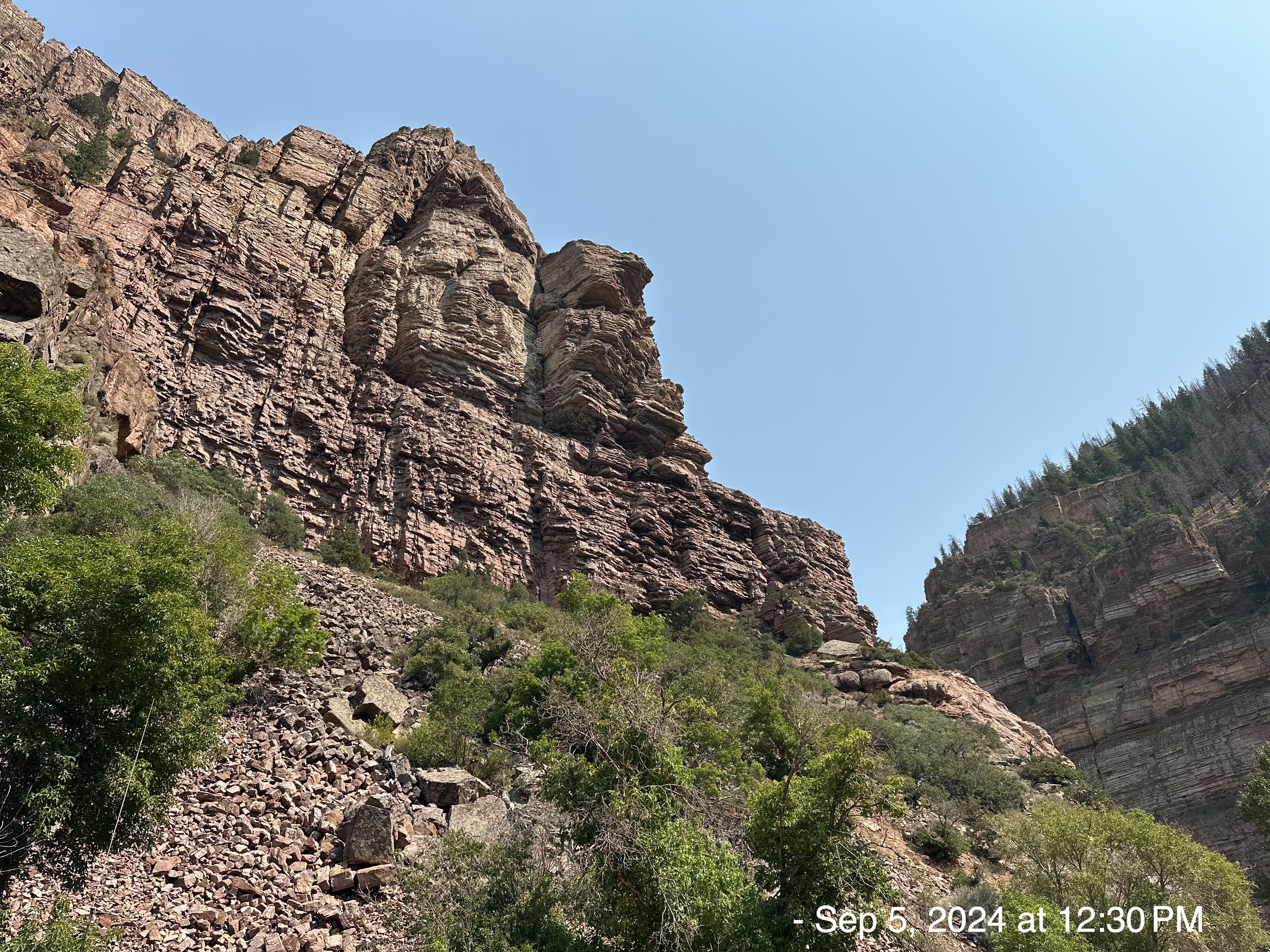
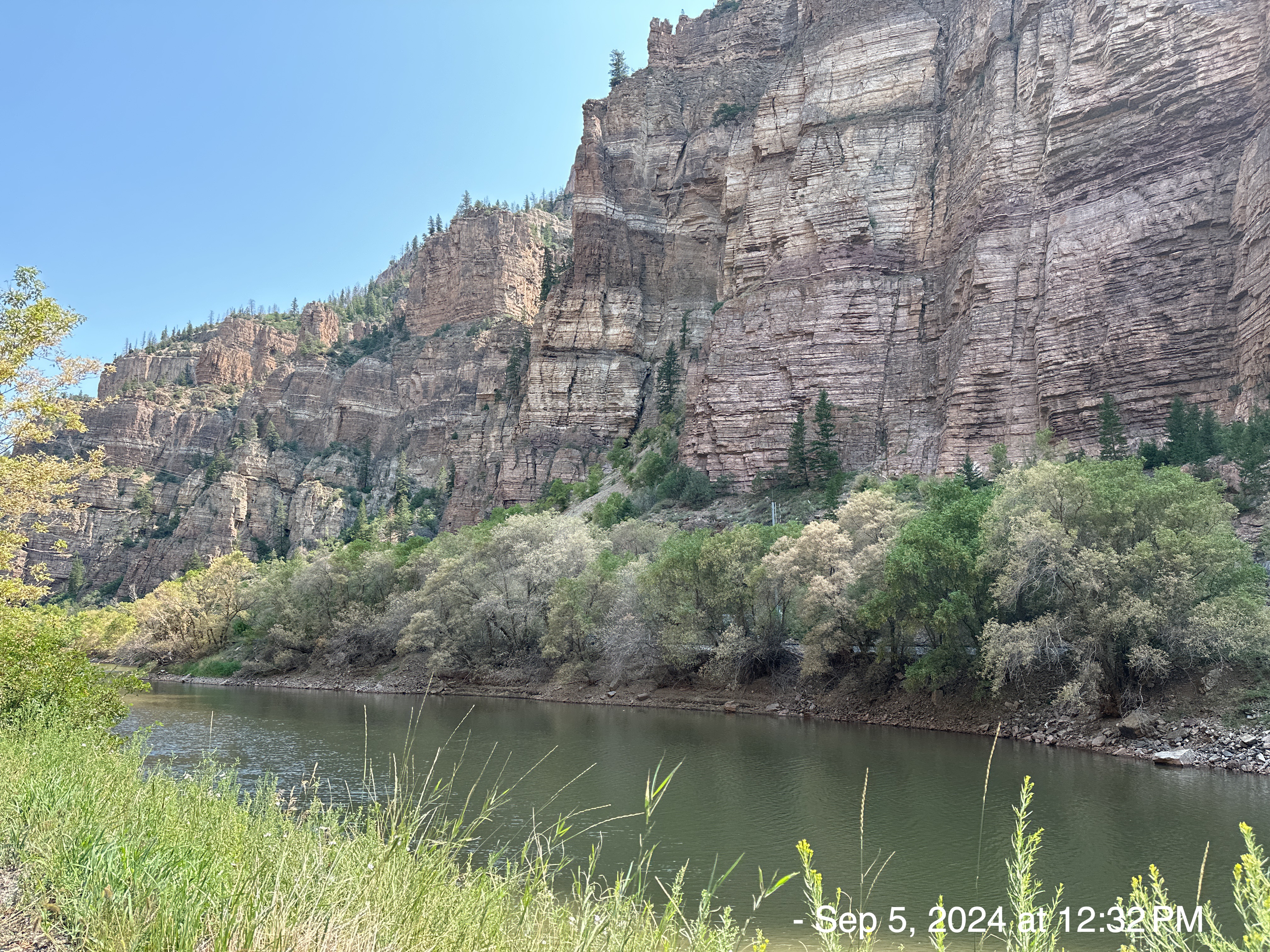
The views of the canyon were awesome.
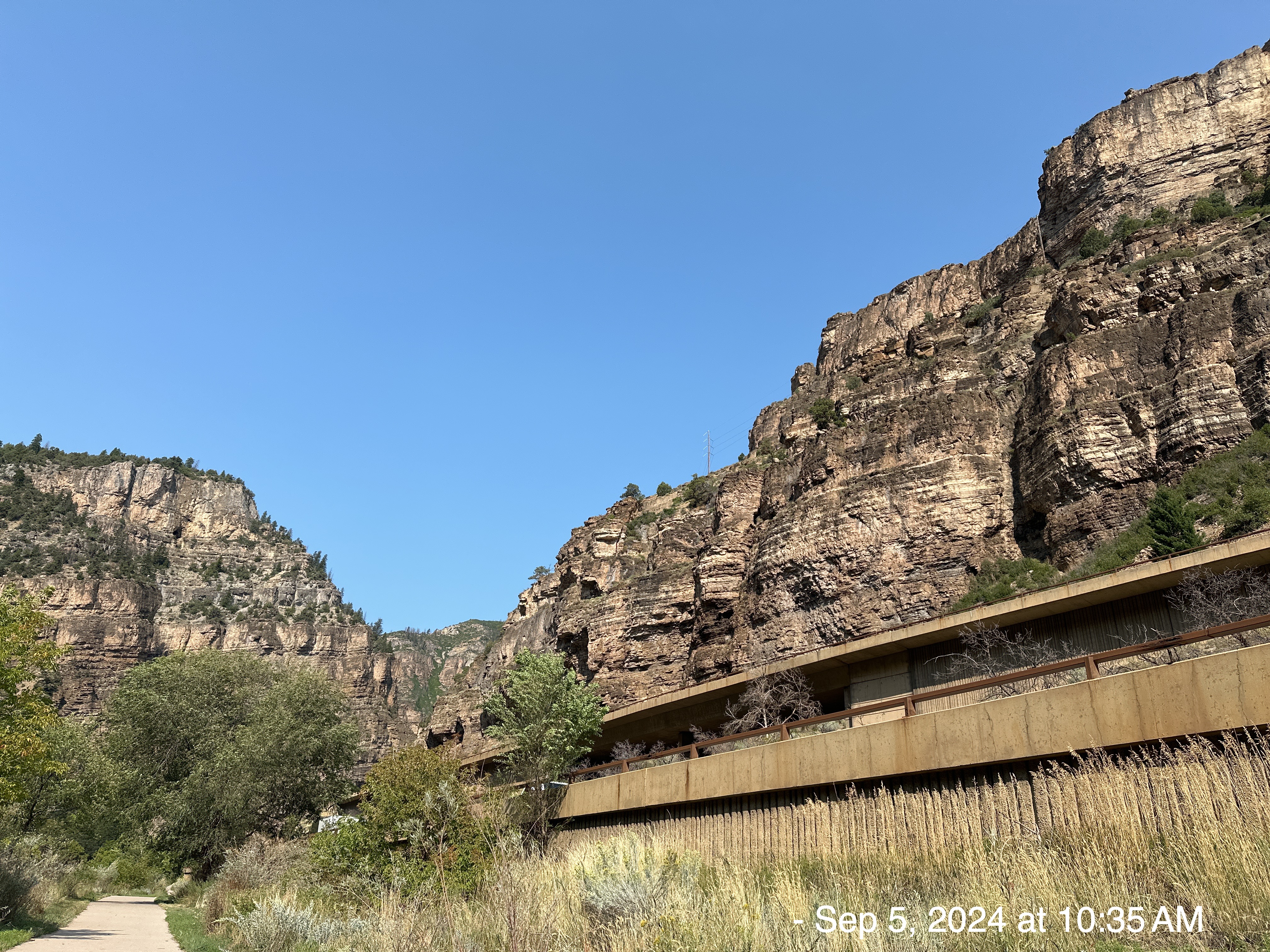
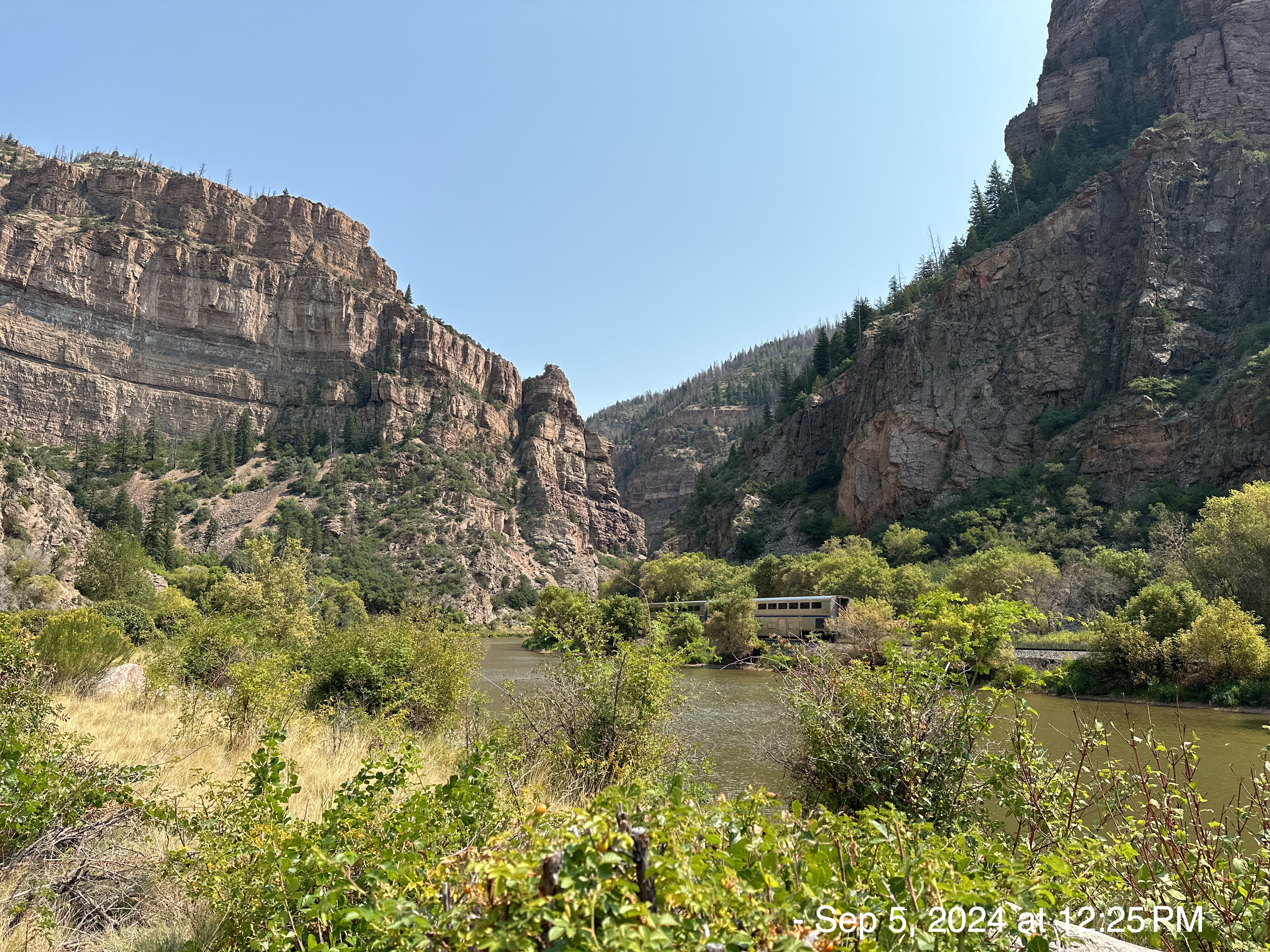
Train tracks ran along the opposite side of the river. I saw two trains pass by, one passenger and the other cargo.
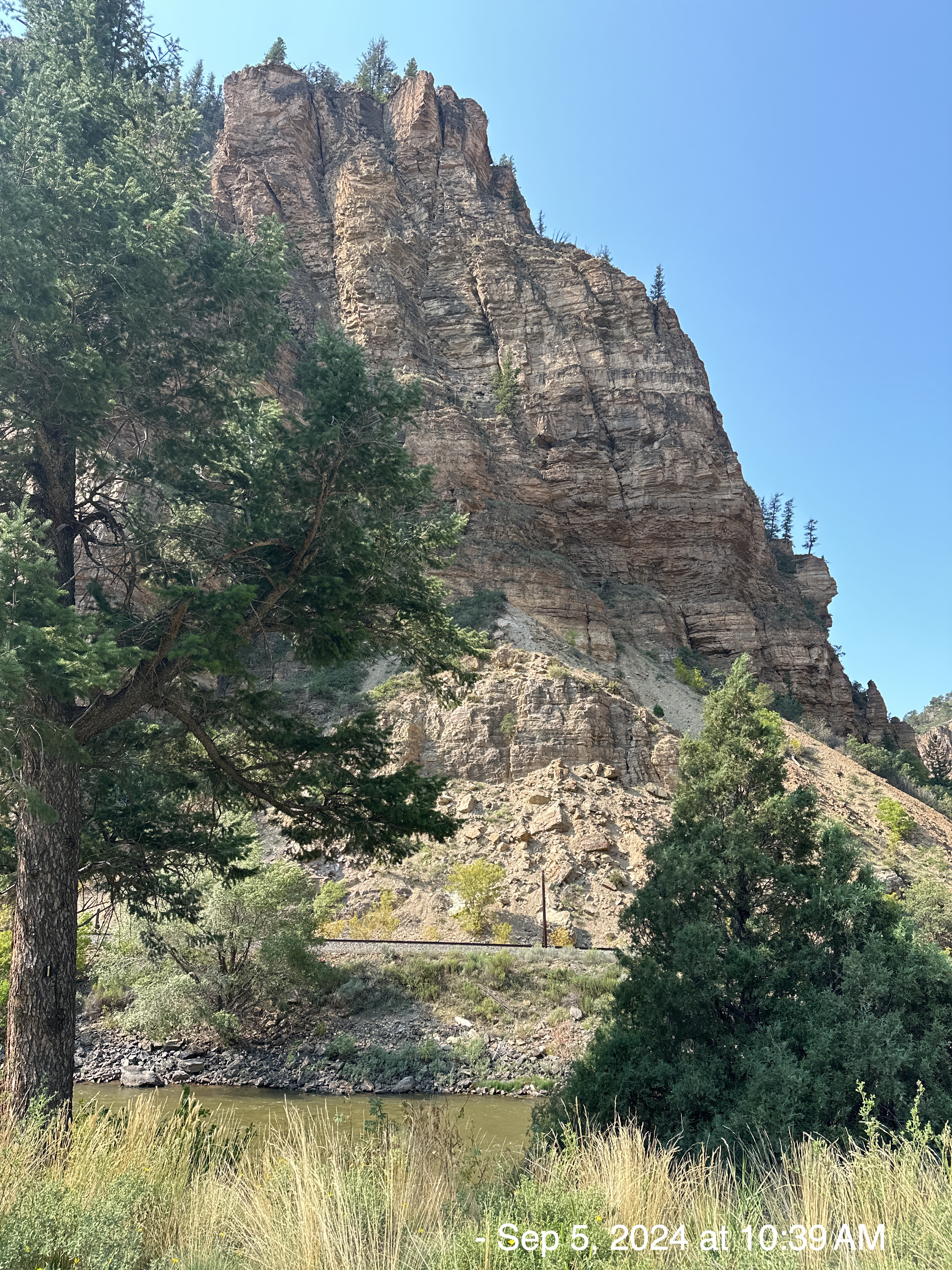
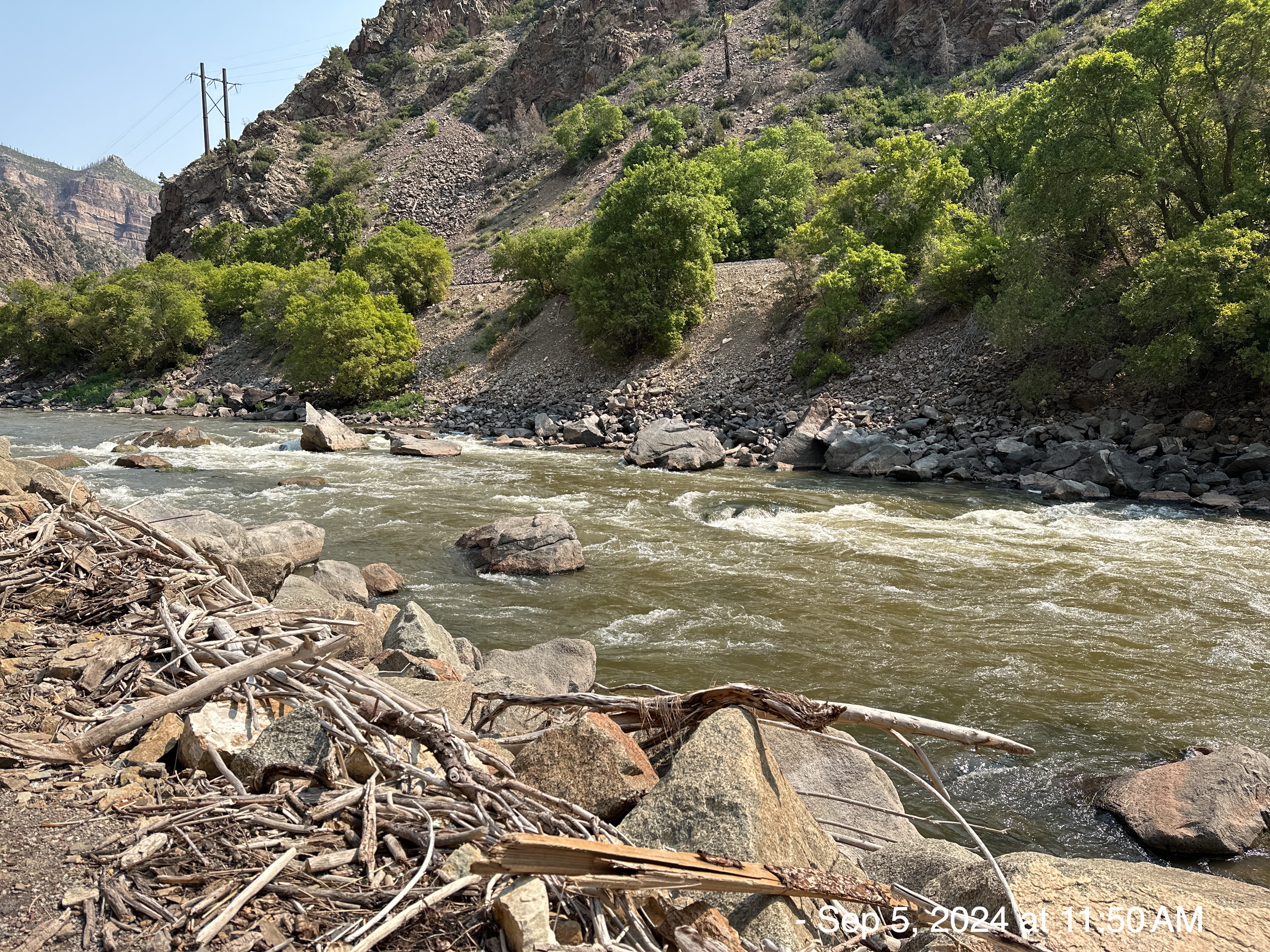
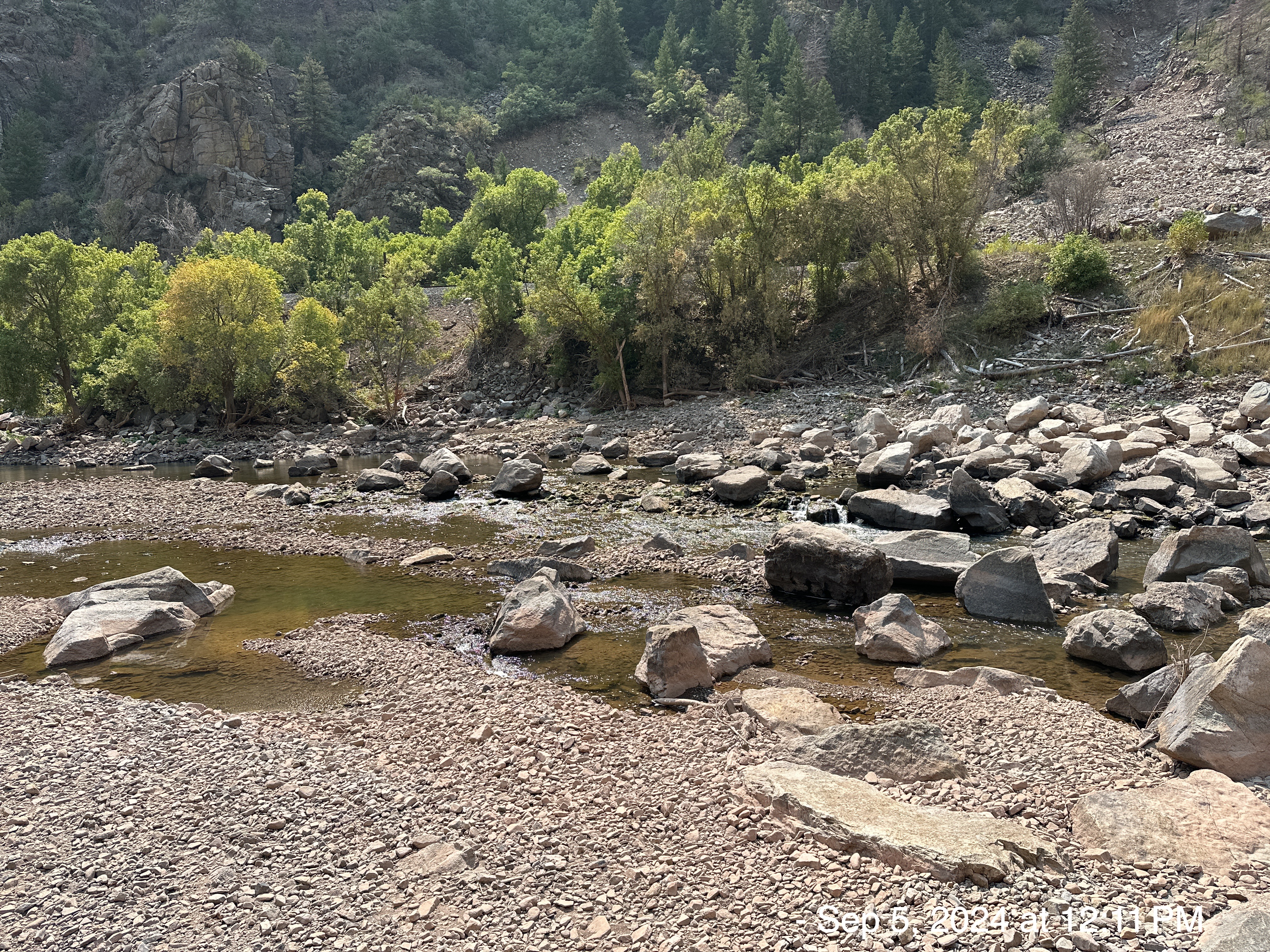
It was near the end of summer, so the water flowing through the river wasn’t at its maximum. But, I still thought it was gorgeous. I lived in Boulder for 7 years, and I love Colorado.
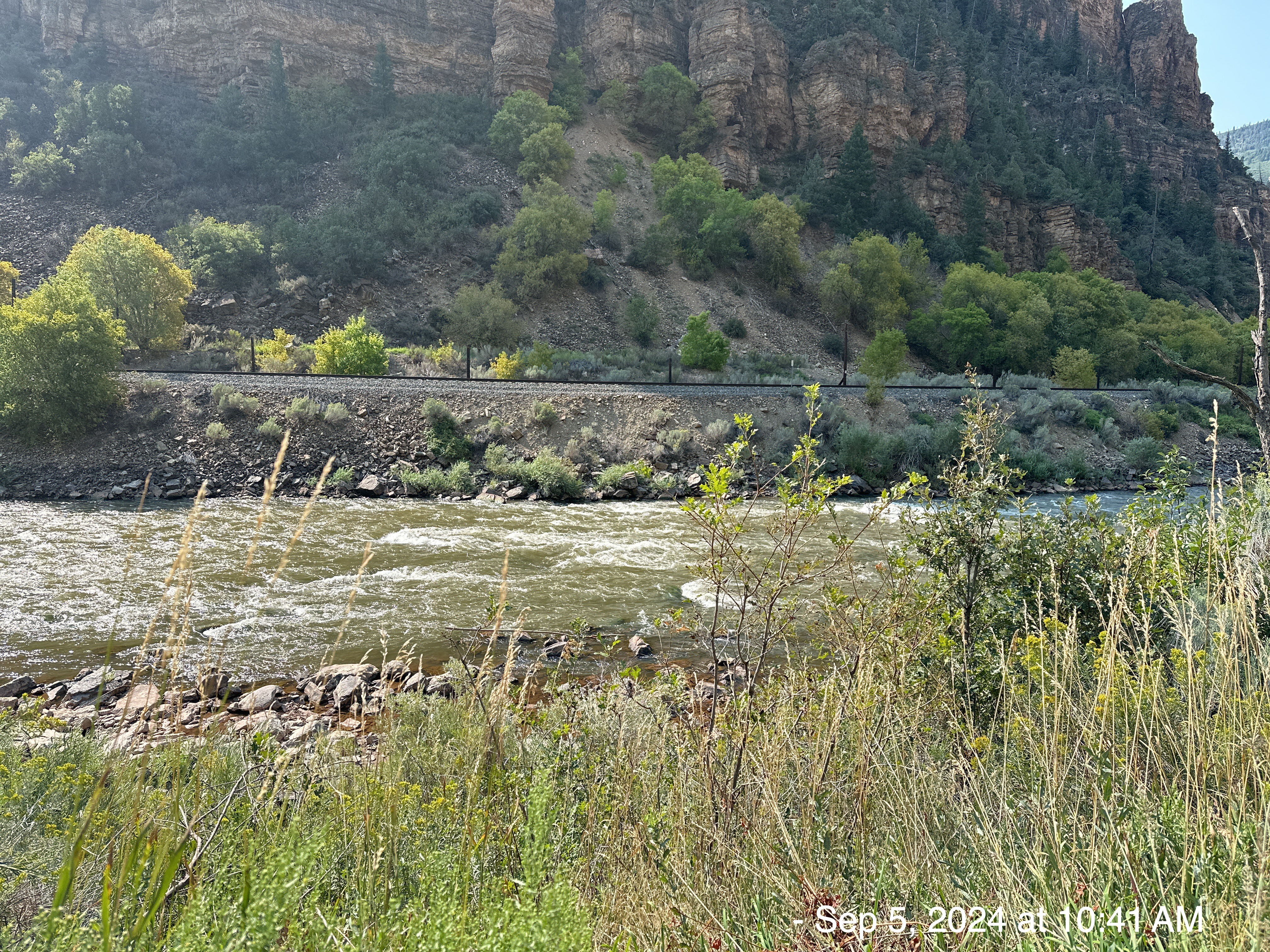
The sky was blue and clear. The temperature was in the 70’s… just perfect for bike riding.
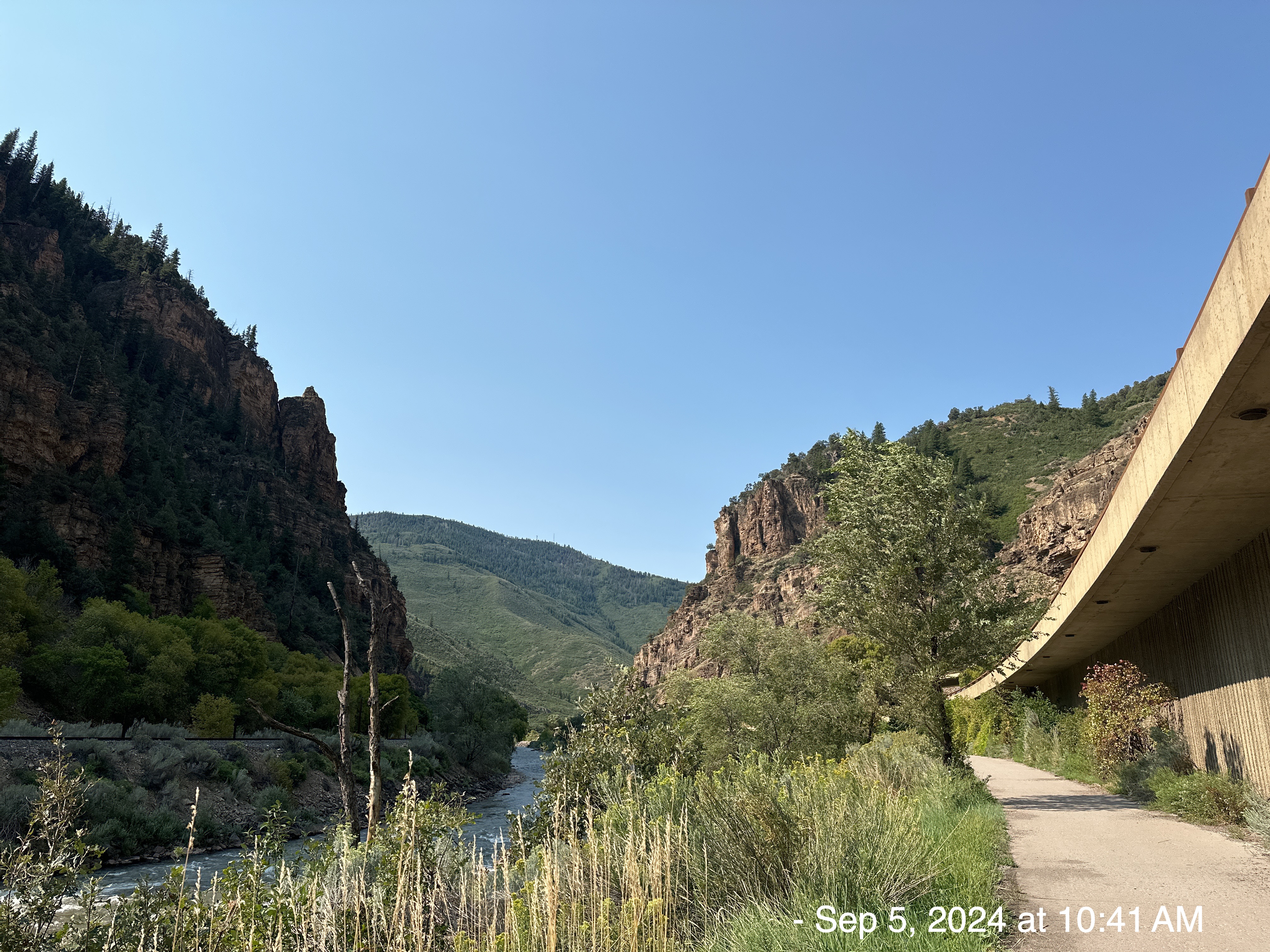
Everything was so beautiful, I took a lot of pictures.
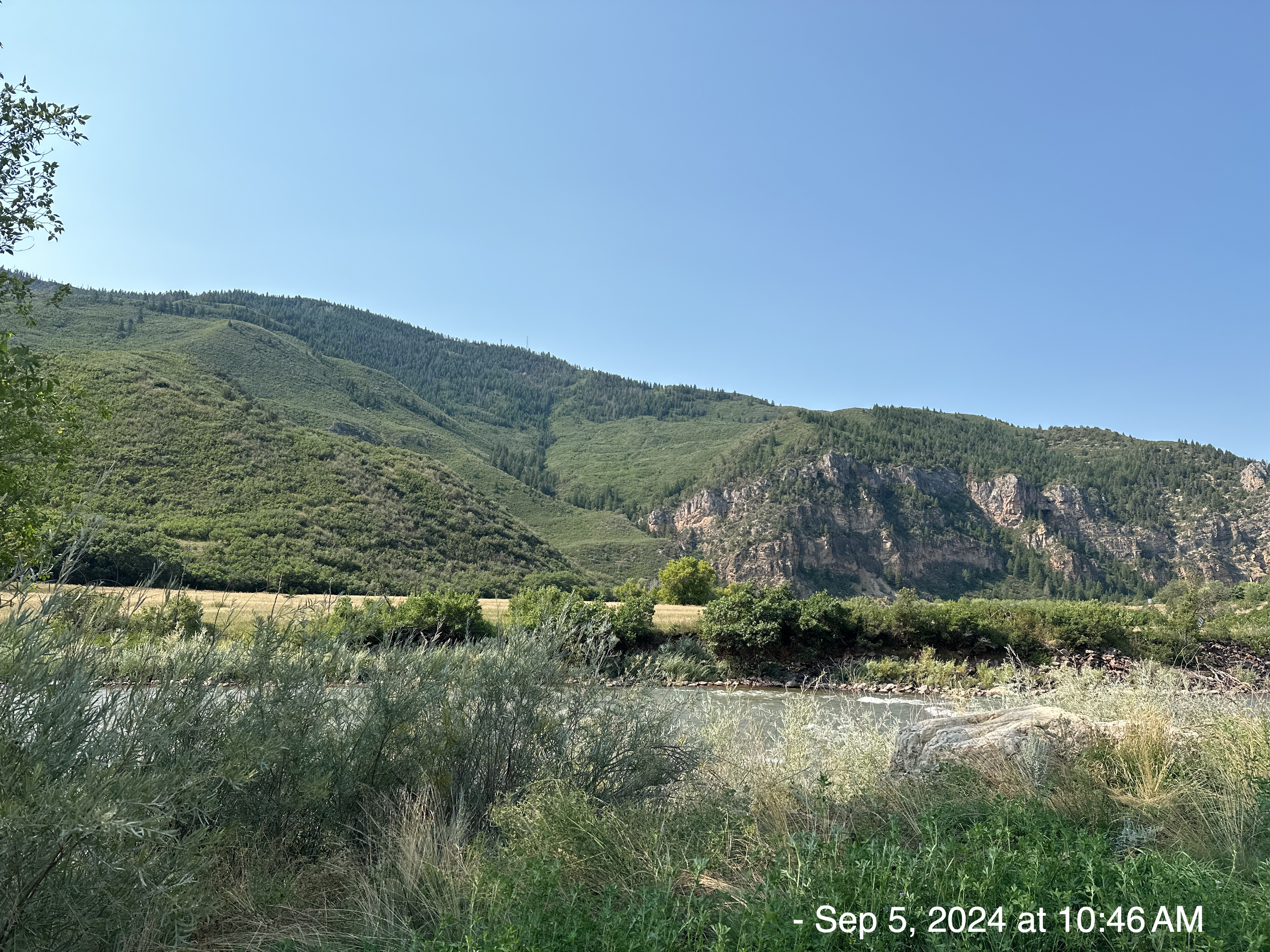
Sometimes the river was wide, and a little distance away.
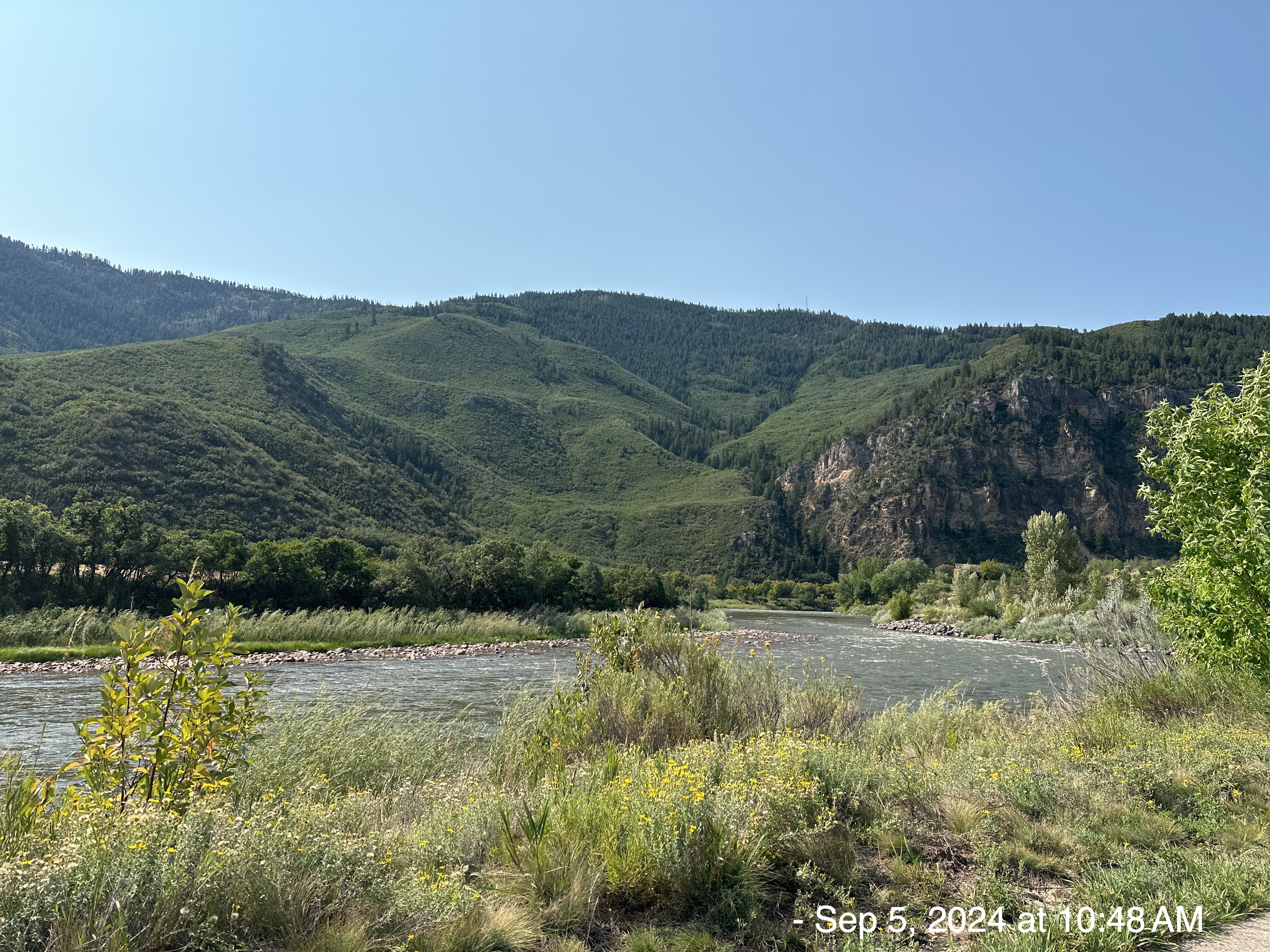
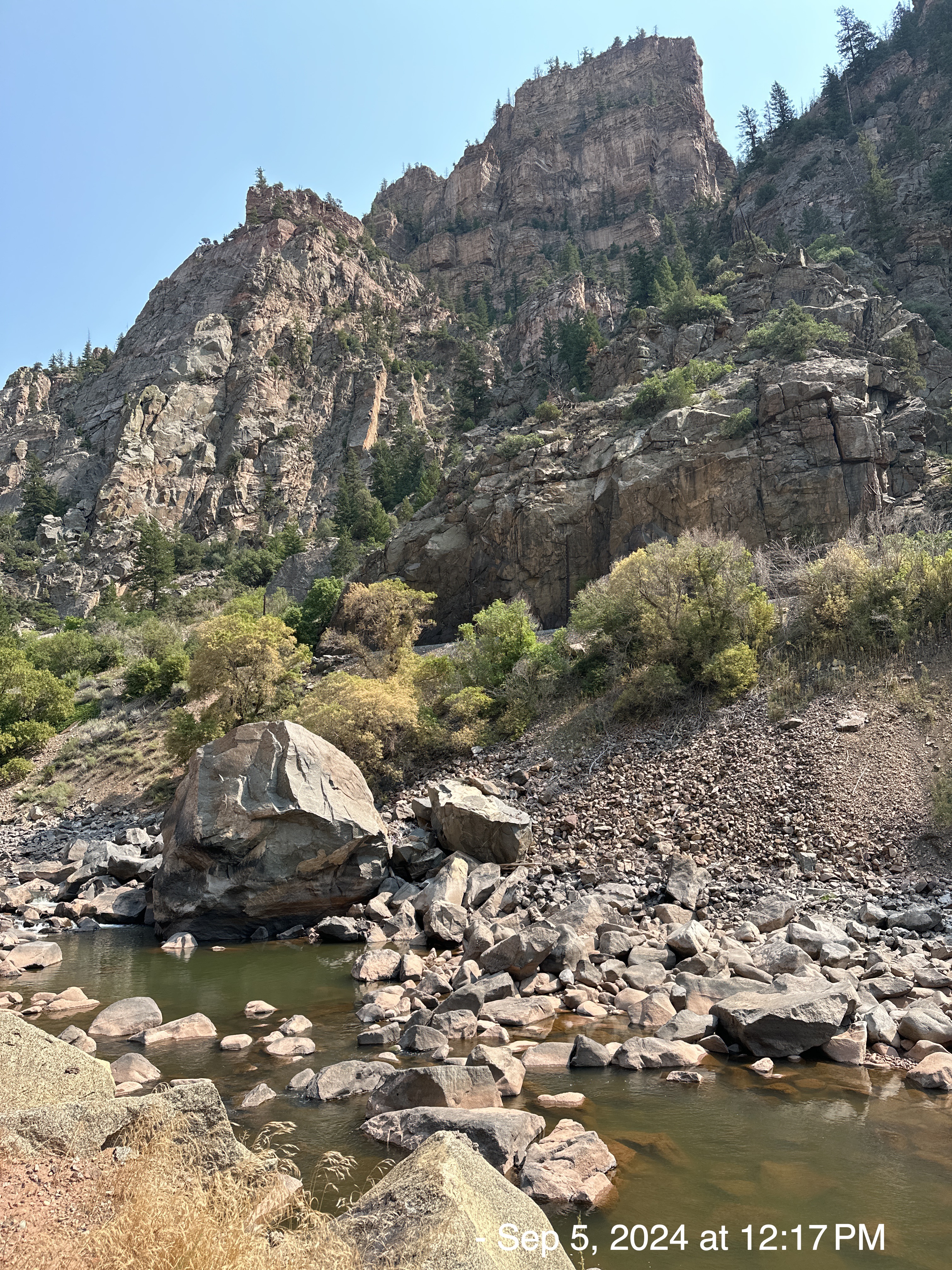
At times the canyon walls were close to the trail.
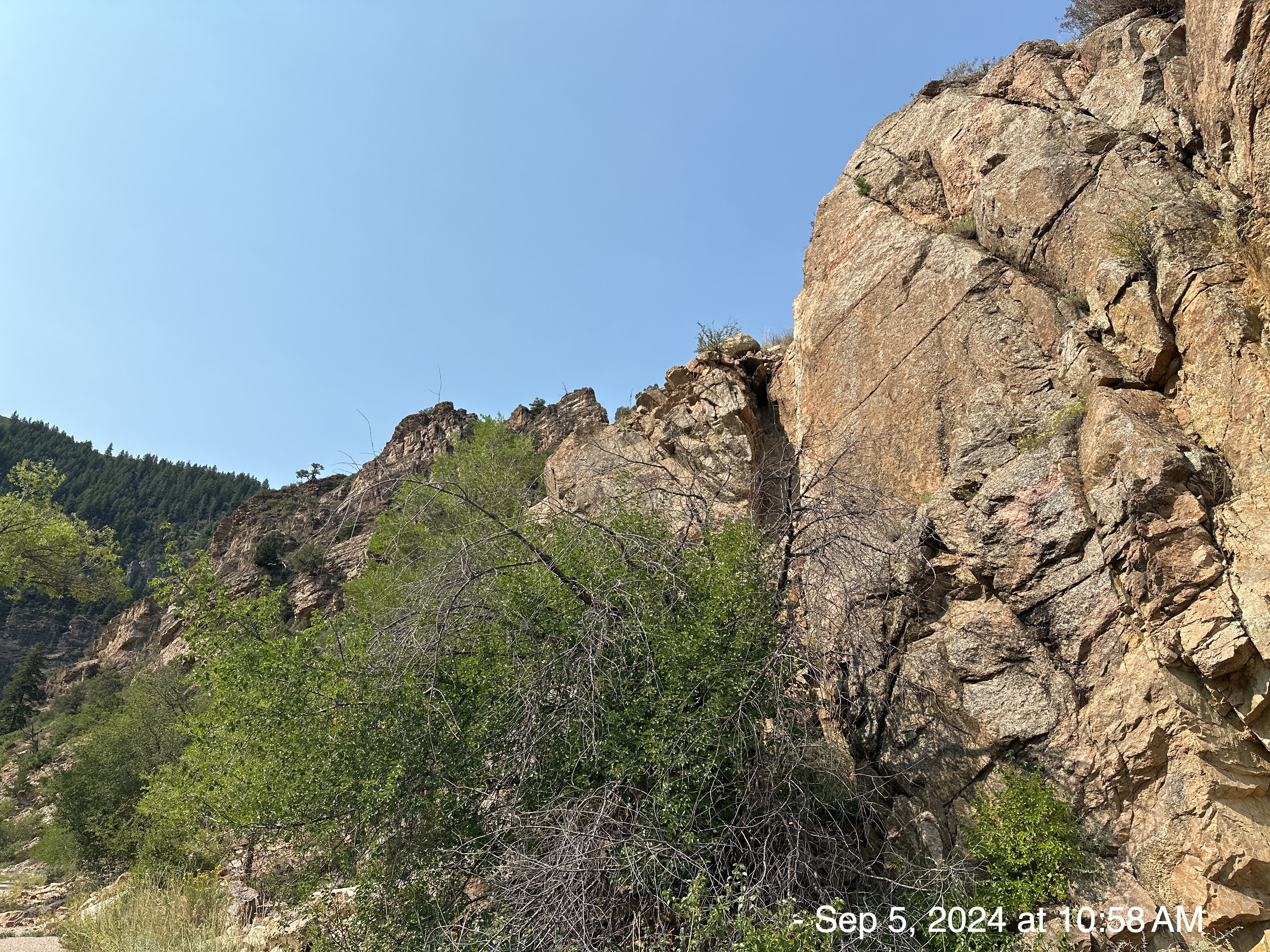
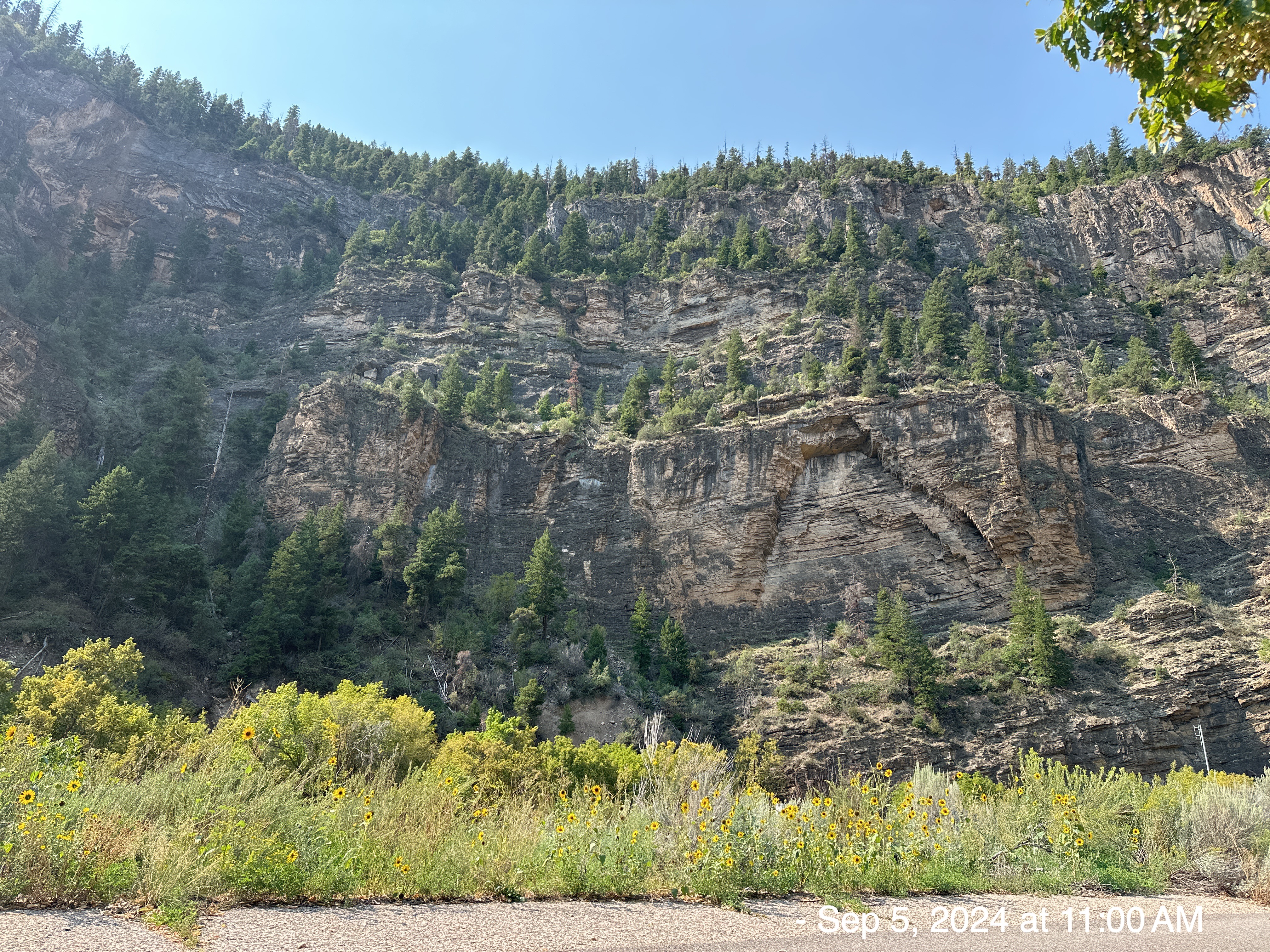
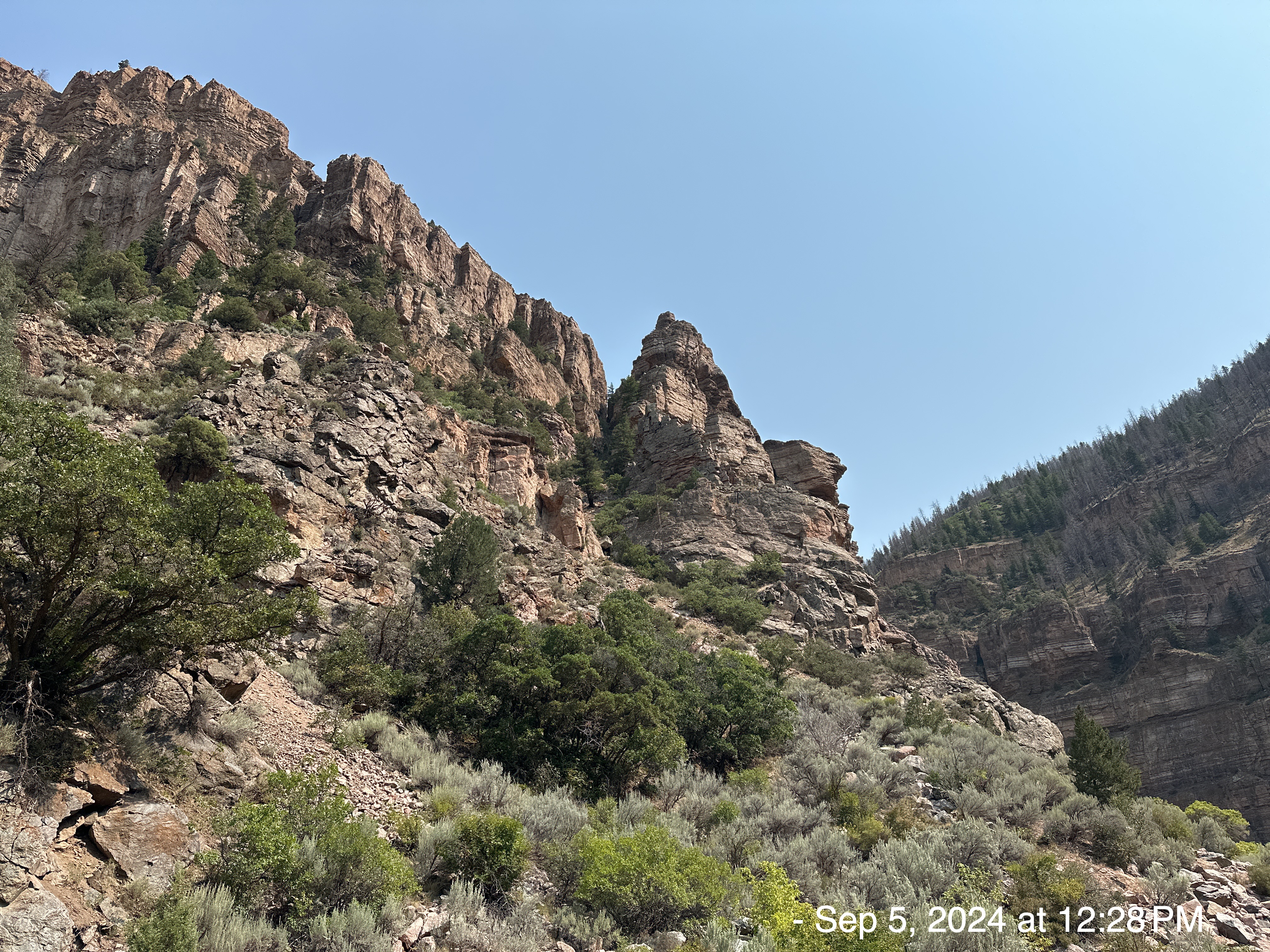
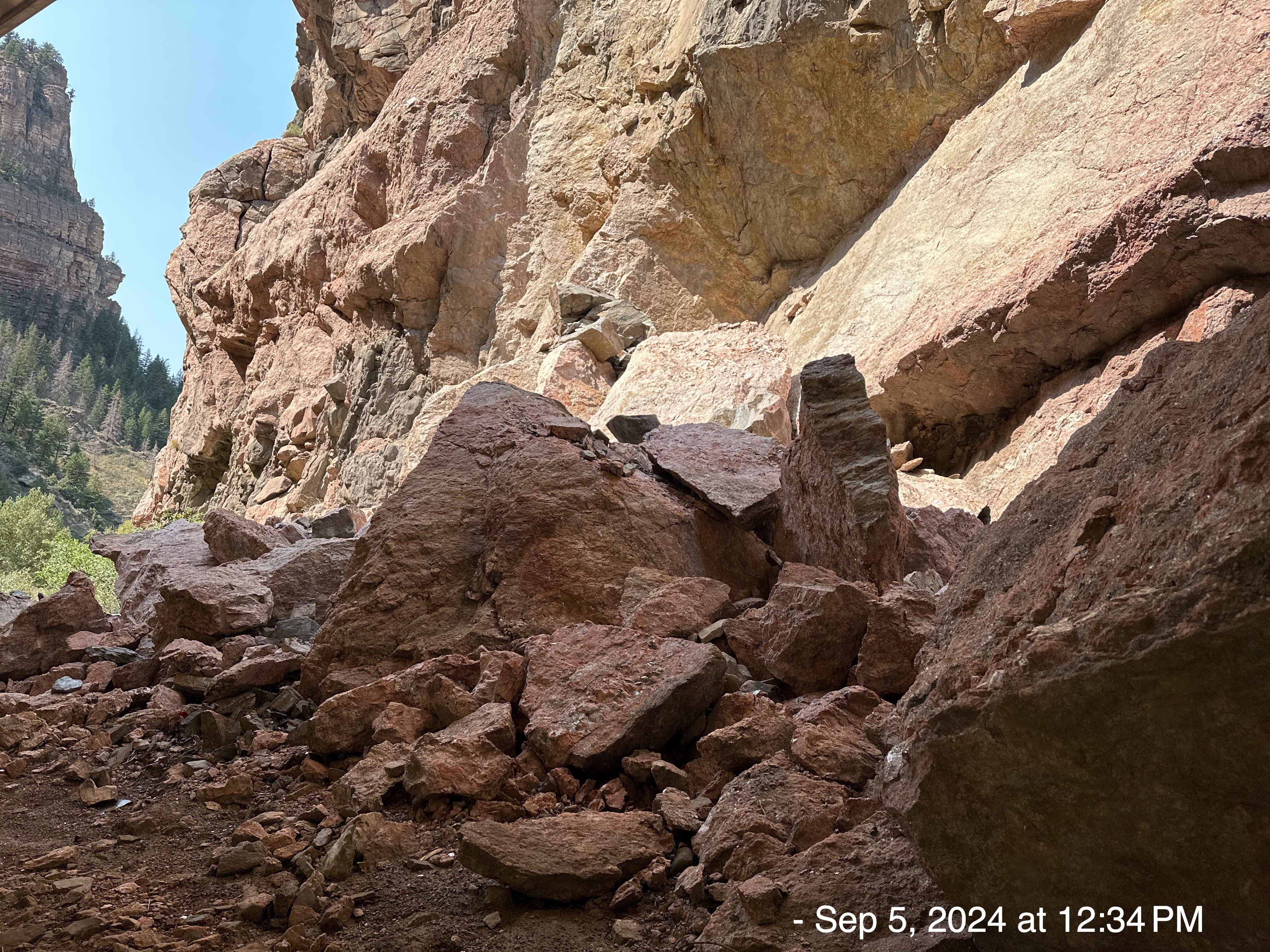
Amazing rock formations.
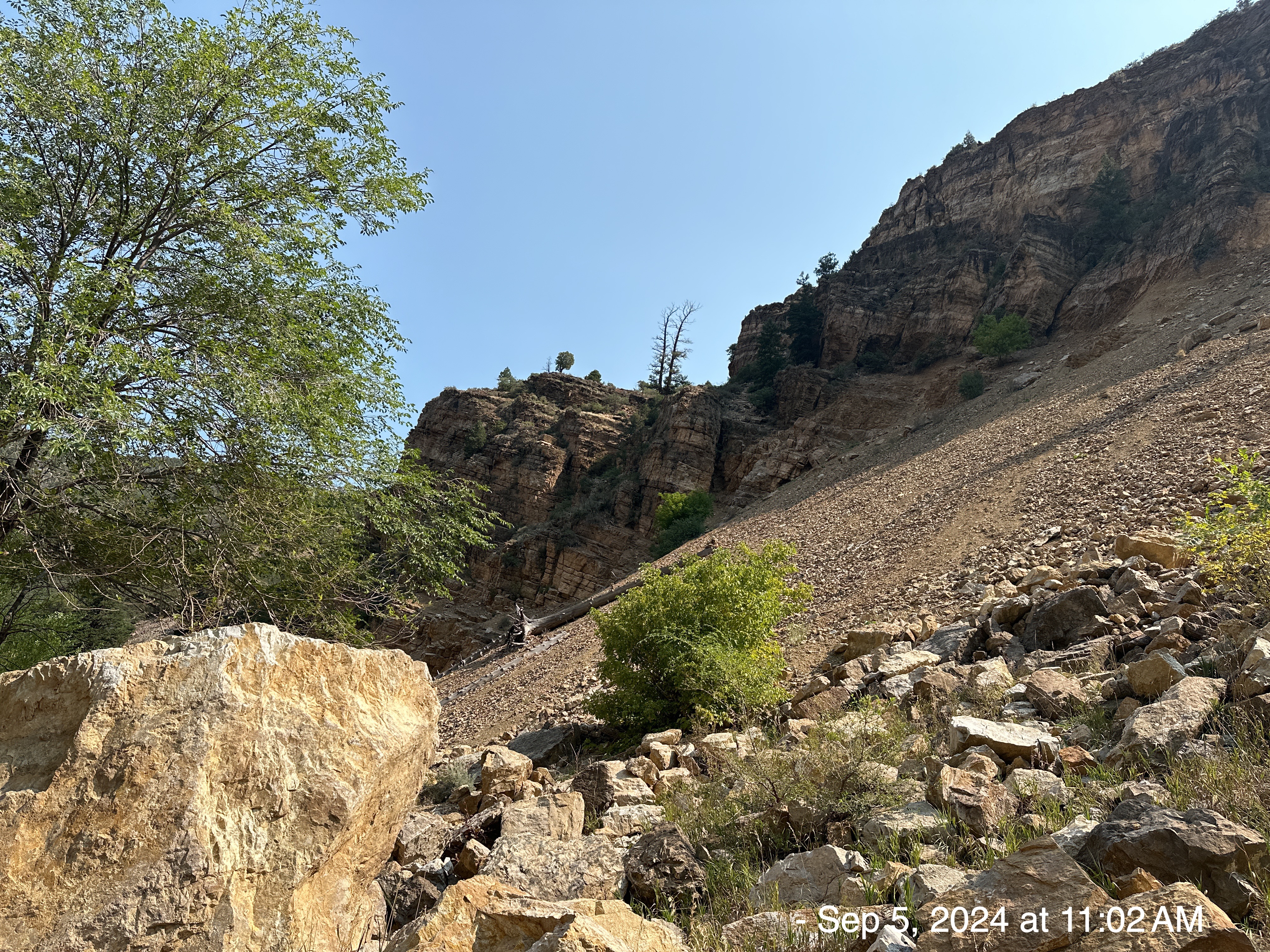
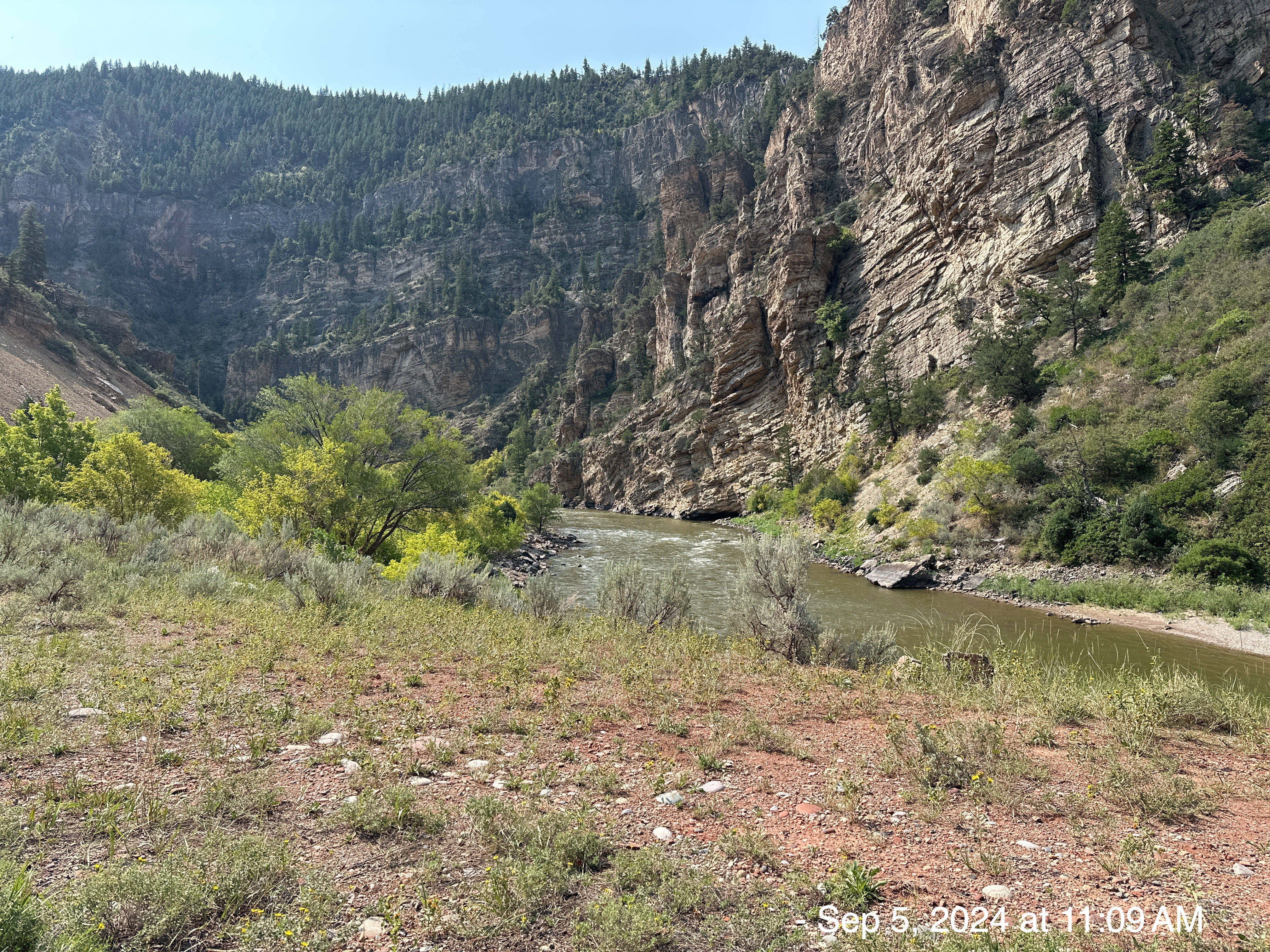
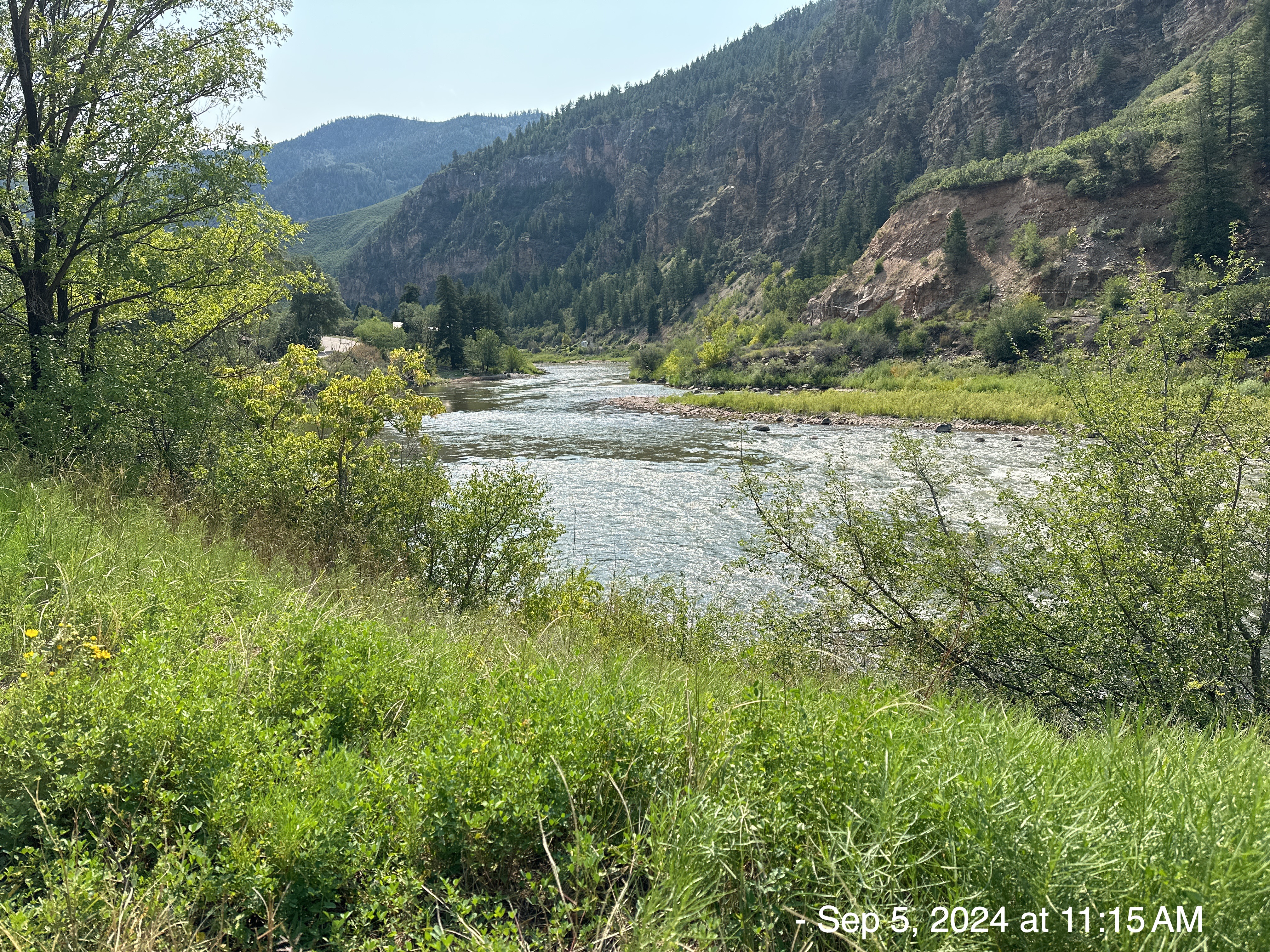
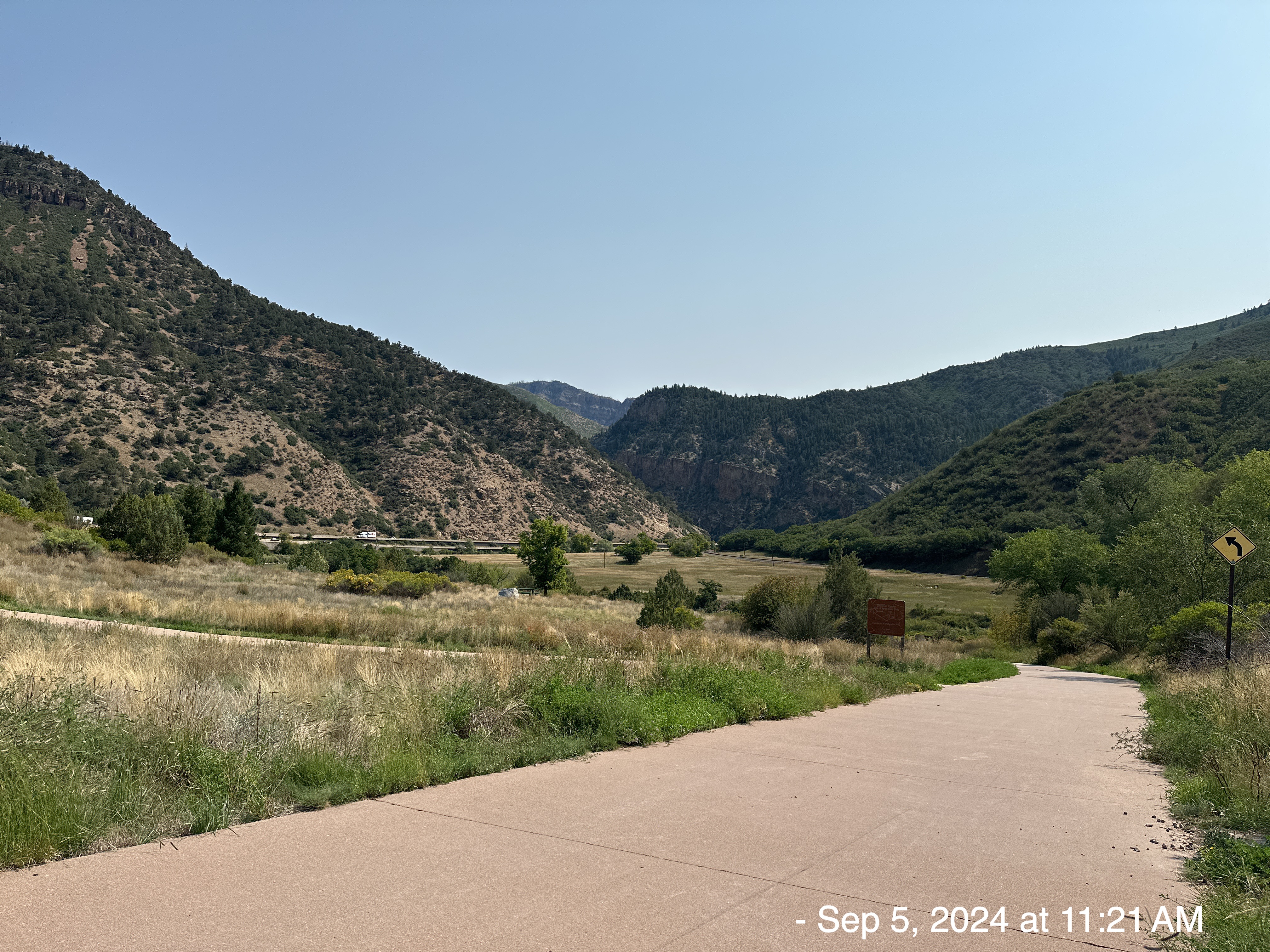
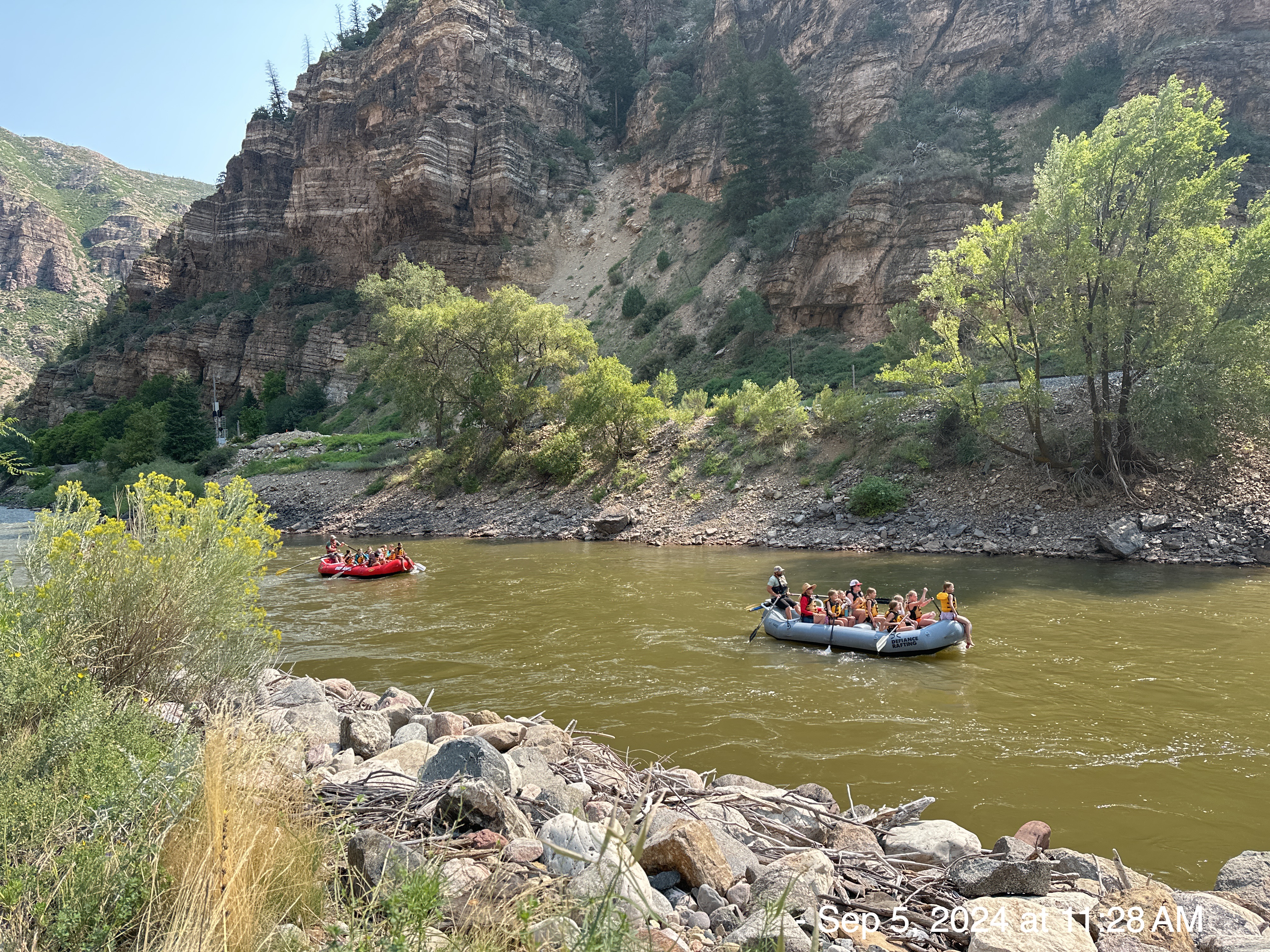
5 or 6 river rafting boats floated past me.
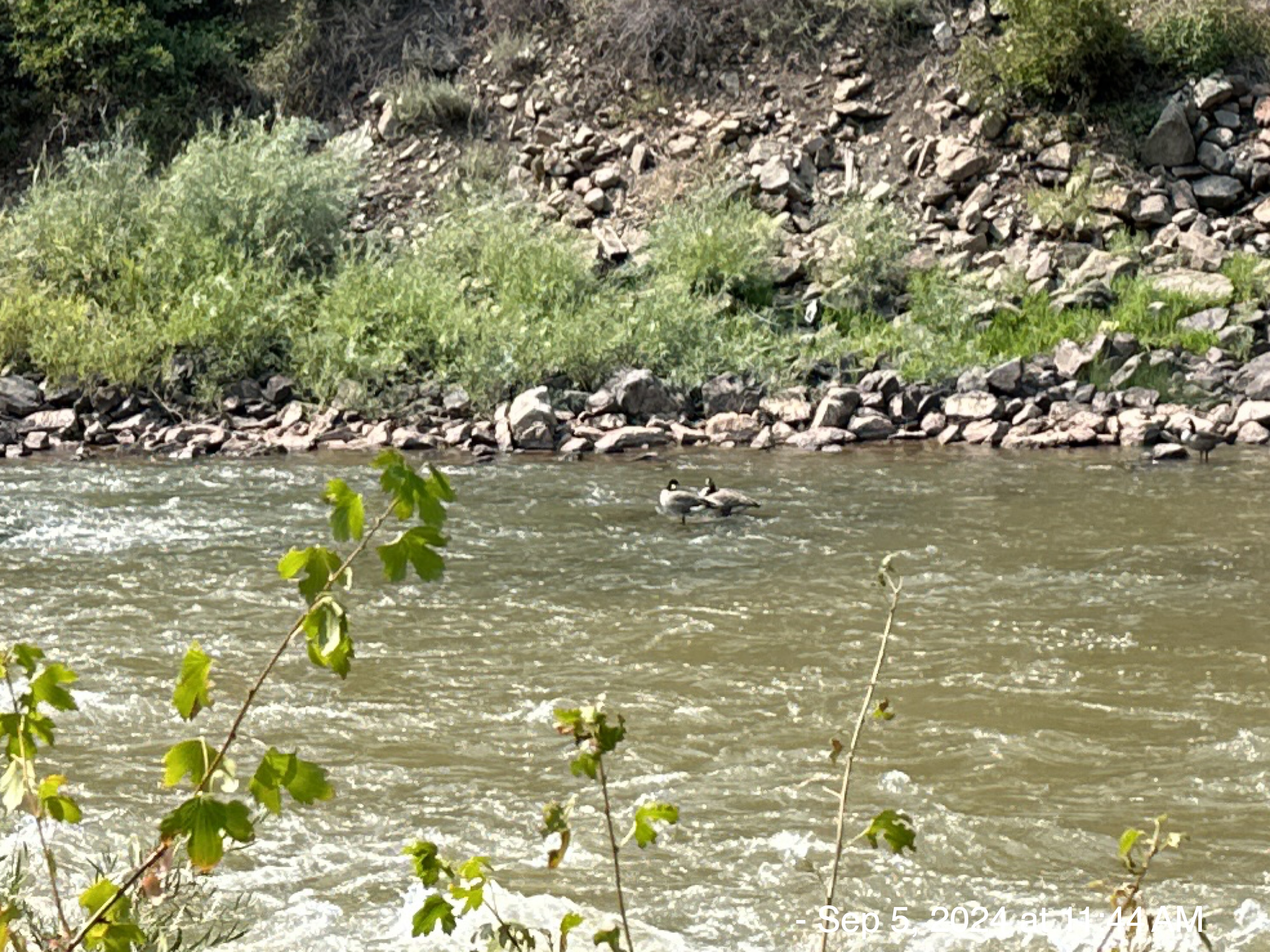
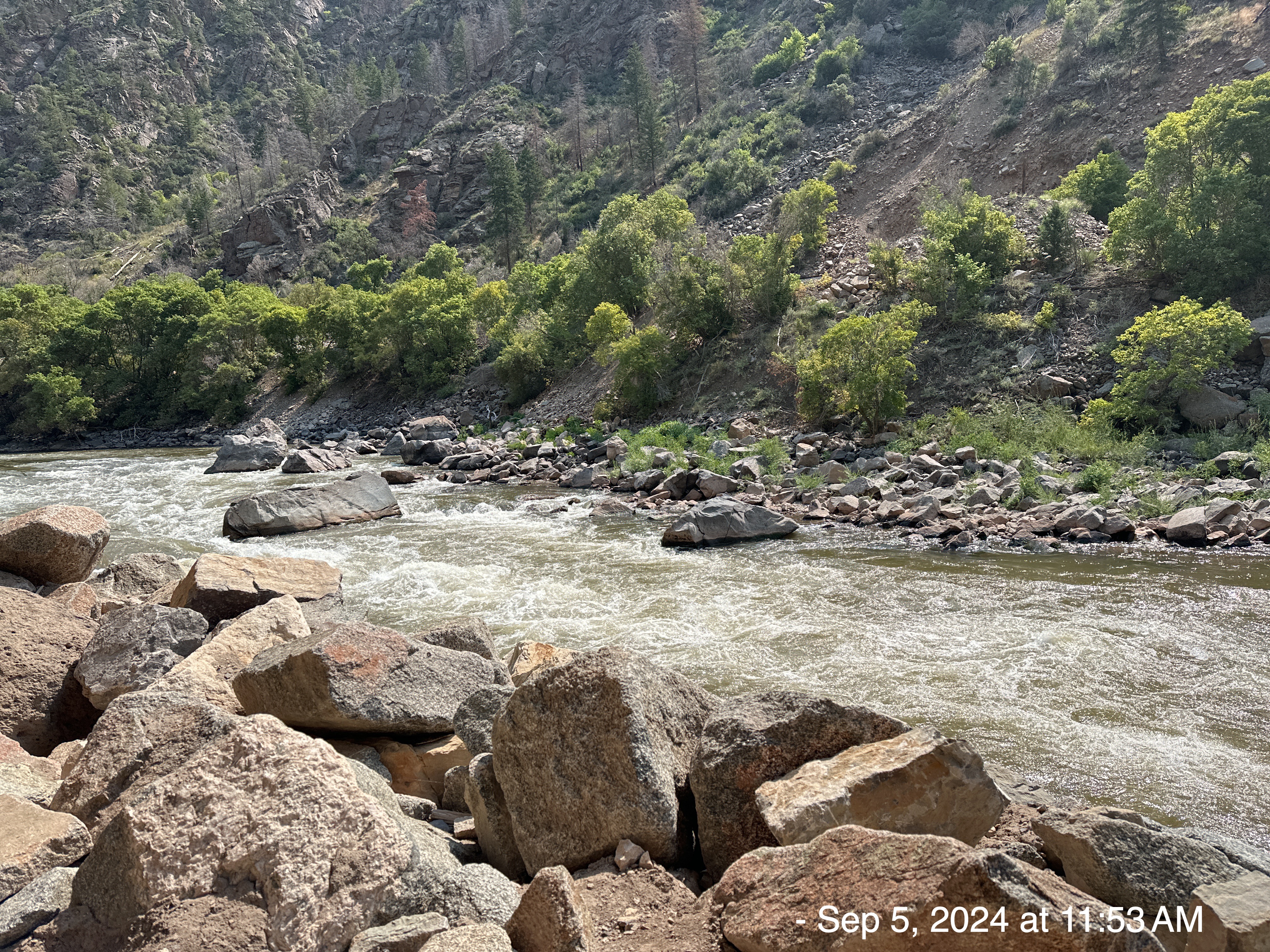
In the following picture, you can see 3 geese in the water. I saw several geese flying up the river. I realized that following the path of the river was the easiest way for them to fly over the Rocky Mountains.
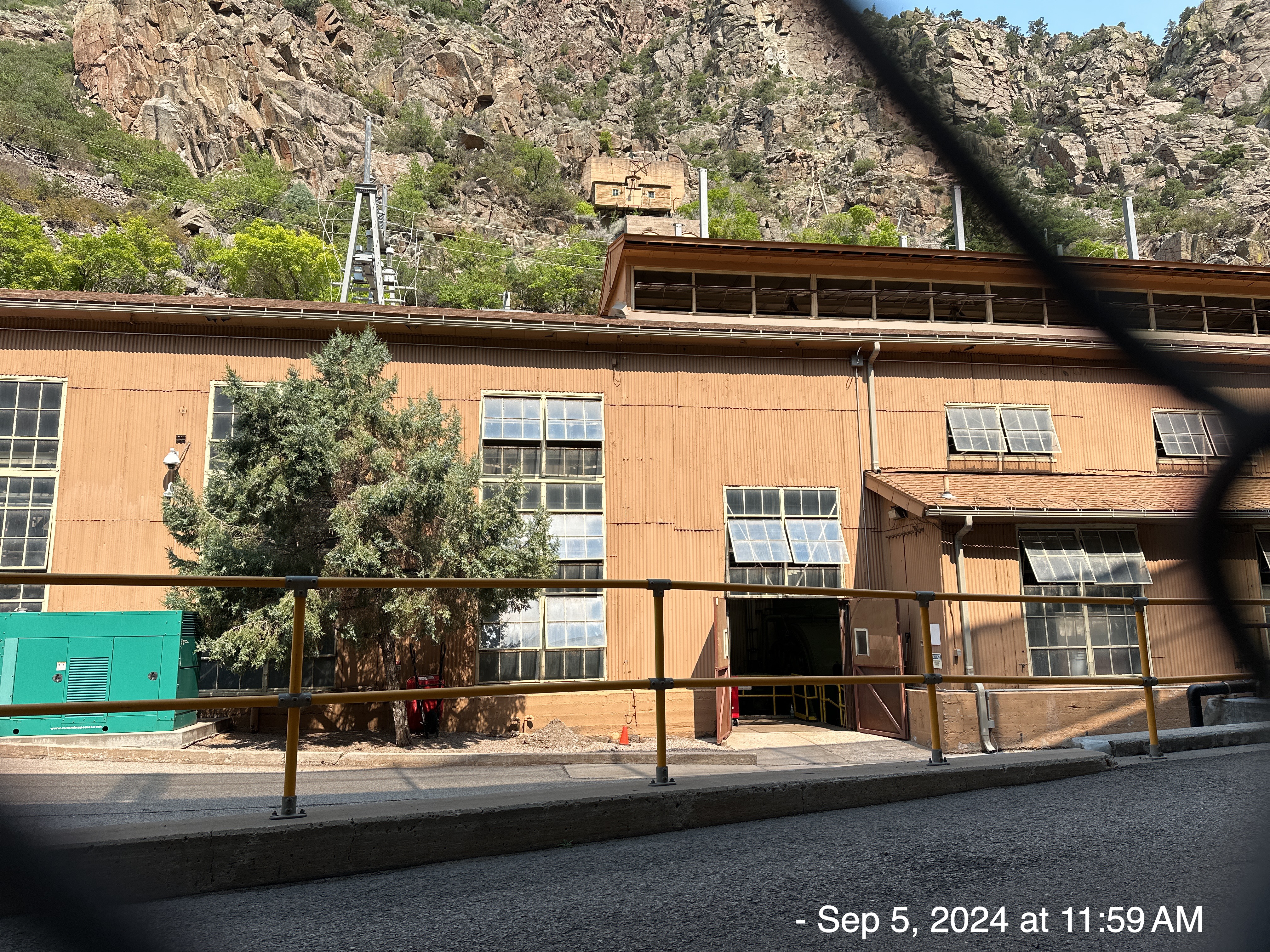
Shoshone Hydro Plant
The Shoshone plant was constructed in the early 1900s, with its turbines installed in 1906 and power generation beginning in 1909. The plant has a maximum capacity of 15 MW from two 7.5 MW generators driven by two turbines.
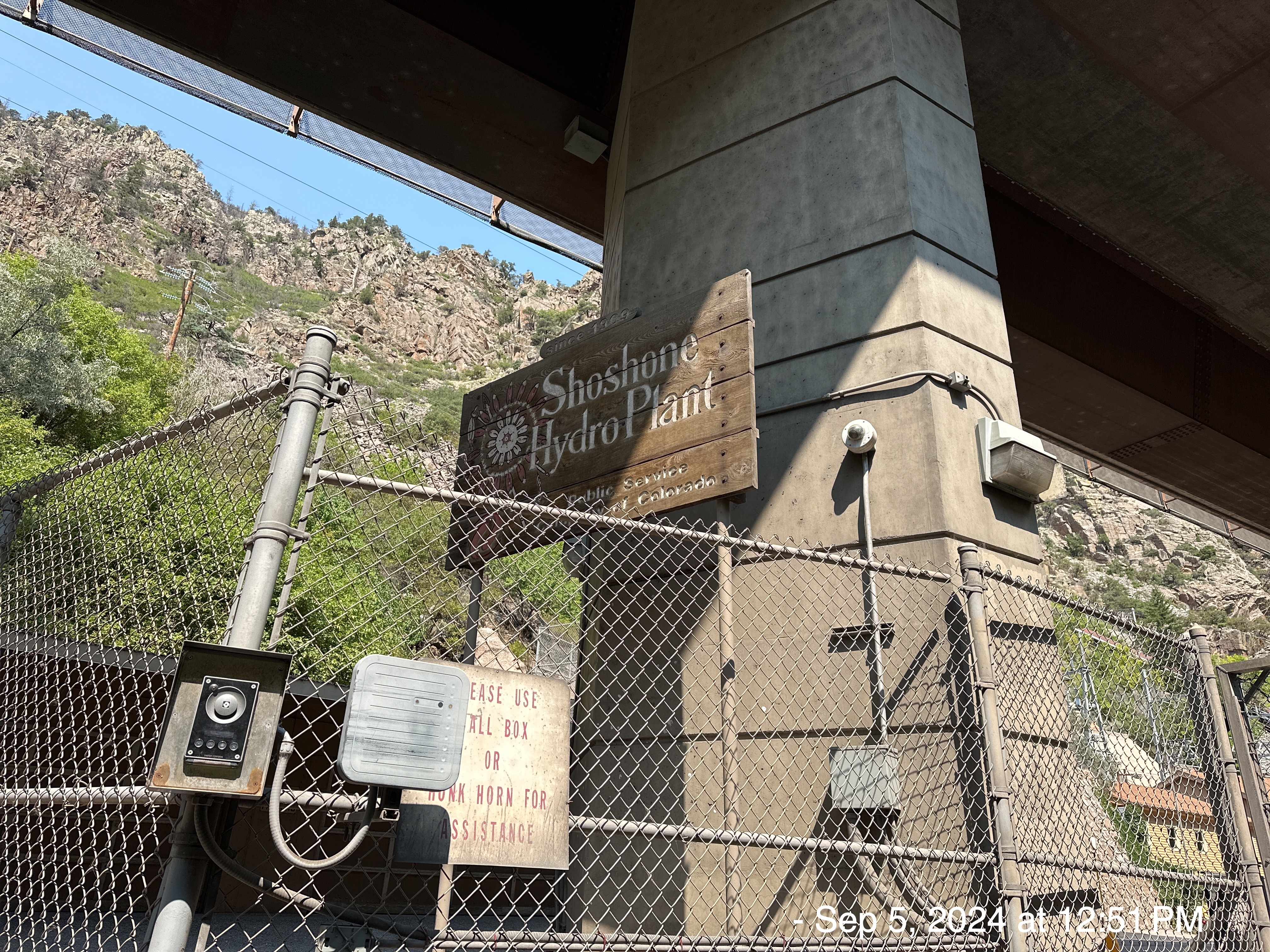
The Shoshone complex is significant for being one of the earliest hydroelectric plants on the Colorado River and one of the largest in the Rocky Mountain Region to depend upon the flow of a river for its source of power rather than on the stored water of a reservoir. It is also significant as a remarkable engineering accomplishment in terms of the physical difficulties of construction within Glenwood Canyon and the scale of the undertaking.
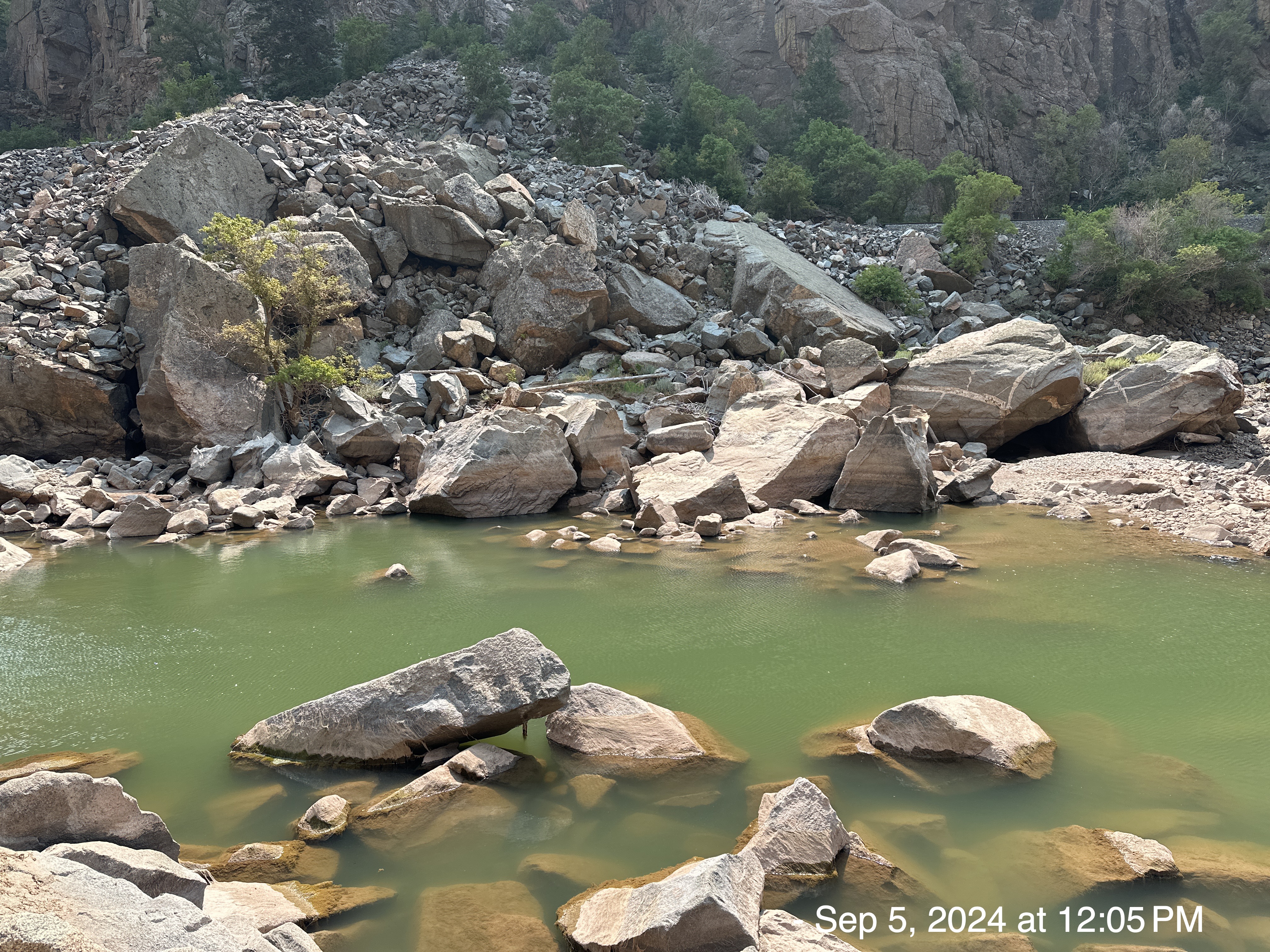
I was surprised to see how low the water was in places. This is because water to drive the turbines of the Shoshone Hydro Plant is drawn from the river at a dam about 2 miles (3.2 km) upstream of the powerplant, and carried through tunnels to penstocks above the station, after which it is returned to the river.
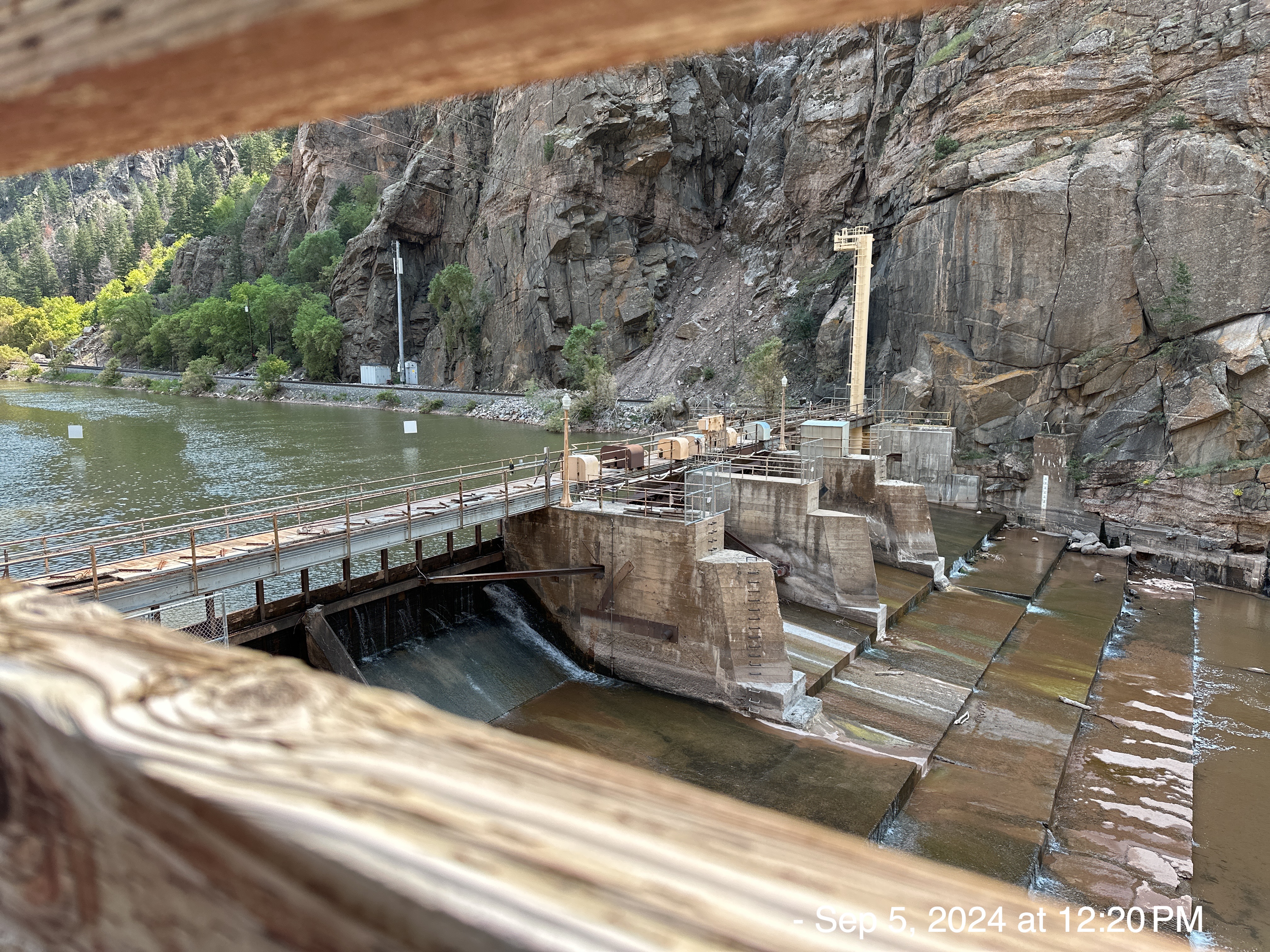
Hanging Lake Dam… upstream from Shoshone
Water from the Colorado River is diverted to a pipe going mostly to the powerplant at the top of Shoshone Hydro Plant or it is going through “Hanging Lake Dam” into Barrel Springs, or a split between the two.
I tried to take this picture of an Amtrak train as it passed by, but I was only able to catch the last car disappearing up the canyon.
After a bike ride of over 2 hours, I arrived back at my car. John, the CDOT worker, was walking by and asked if he could put my bike back in the car. Of course I said, “Yes”. Who says there aren’t angels among us?
River Videos…
Post-Script:
The serial killer Ted Bundy was imprisoned in the Garfield County Jail (where Glenwood Springs is located) until he escaped on the night of December 30, 1977, an escape which went undetected for 17 hours. … REALLY?… 17hrs?
The stop near Glenwood is one of our favorite rest areas. The canyon and creek is so beautiful. I always want to fish and ride the train.
Another great stop is a wild desert/red/white rock rest area along I-70 in Utah where you overlook another big canyon.
So glad you got to bike in the canyon.
Wow! what a bike trail!! Loved the ride, thanks for sharing!
So beautiful, so enthralling to know you had the time of your life!
Proud of you, it is possible, and trying proves it.
I will call this weekend. It’s a warning.
[email protected]